




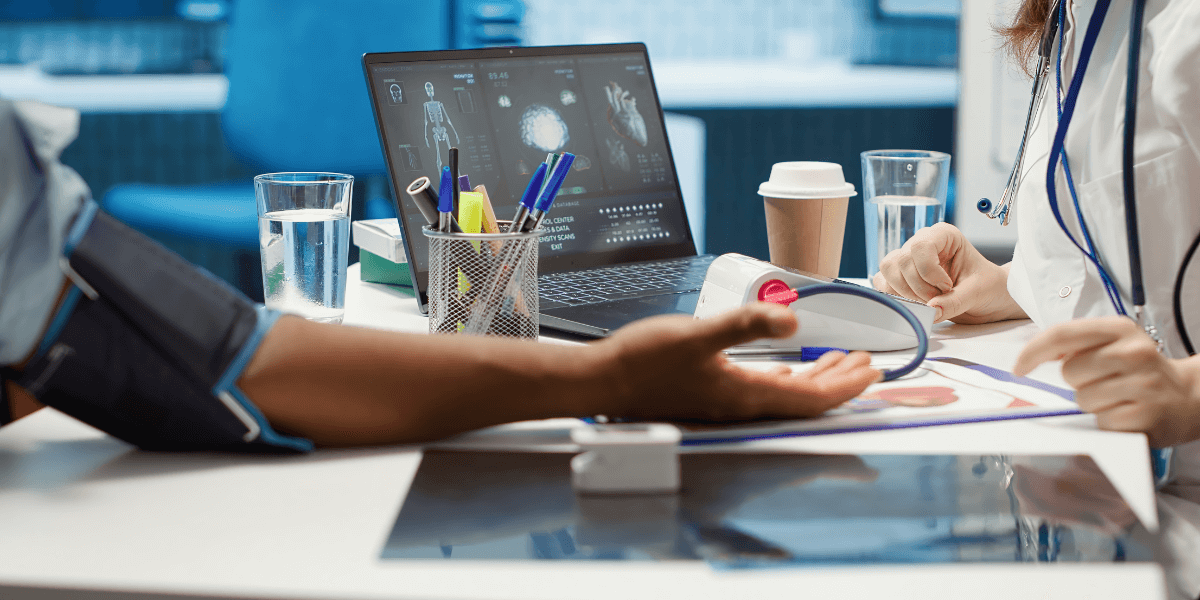
Modern healthcare settings demand accuracy, speed, and dependable performance across every stage of patient care. As clinical pressures rise and patient volumes shift, smarter equipment plays a major role in helping teams stay organised and responsive. New technologies bring stronger support for diagnostics, treatment steps, and daily coordination, cutting down delays that once slowed clinical routines. These advancements also contribute to clearer insights and smoother communication among medical staff. Let’s explore how innovative medical tools shape efficient workflows, support confident decision-making, and create an environment where professionals can focus more on patient needs and less on manual hurdles.
The Growing Role of Technology in Clinical Environments
Healthcare facilities face rising patient loads, strict documentation demands, and high expectations for precision. Modern equipment bridges critical gaps through accurate diagnostics, smoother procedural steps, and smarter data handling. These developments reshape everything from routine examinations to complex interventions. Each new device functions as support for busy staff, reducing unnecessary steps and promoting clear, organised processes.
Key Drivers Behind This Shift
- Rising need for faster diagnostics
- Higher patient volumes demand smooth workflows
- Consistent focus on accuracy in outcomes
- Desire for sustainable tools that last under heavy use
How Modern Equipment Strengthens Clinical Confidence
New technologies help clinicians work faster without compromising accuracy. Each improvement reflects a deeper understanding of daily pressure points in clinical environments.
Greater Precision in Routine Tasks
Smaller, lighter, and more accurate tools reduce hand fatigue and support repeatable results. These upgrades make tasks such as wound care, assessments, and procedural preparation far more manageable.
Streamlined Steps During Patient Interaction
Advanced ergonomic designs support steady handling, clear visibility, and improved procedural flow. This reduces interruptions and keeps attention centred on patient comfort and safety.
Consistent Performance Under High Workloads
Modern healthcare instruments maintain strength and reliability under frequent use. Durable materials, smart engineering, and updated mechanisms contribute to smooth daily operations, even during intense clinical hours.
How Innovative Medical Tools Reduce Errors
High-pressure environments can lead to mistakes when outdated equipment slows the process or causes unclear readings. Modern solutions address this concern through design improvements and smarter functional elements.
Better Visual Clarity
Upgraded optical components present more accurate details during examinations and assessments, leading to quicker conclusions and reduced uncertainty.
Improved Instrument Response
Calibrated parts ensure consistent response during procedures, reducing the risk of misalignment or sudden handling issues.
Safer Handling Concepts
Structured grips and balanced shapes offer greater stability, lowering the chance of accidental slips or dropped items during care tasks.
The Impact of Digital Integration
Digital tools strengthen the connection between clinical tasks and documentation. This trend pushes patient care into a new phase of accuracy and organisation.
Electronic Measurement Support
Digital devices capture precise data instantly, reducing manual entries and giving clinicians stronger confidence in recorded values.
Integrated Alerts and Prompts
Smart systems notify teams about irregular readings or required follow-ups, promoting quick and informed action during patient monitoring.
Seamless Storage of Patient Information
Digital entries flow directly into central systems, reducing repetitive paperwork and freeing more time for direct patient care.
Tools to Improve Clinical Workflow in High-Demand Areas
Clinical teams face major pressure during peak hours. Modern tools to improve clinical workflow ease this challenge by strengthening each phase of routine care.
Faster Preparation for Procedures
Improved mechanisms support quick setup so that clinicians can move efficiently through various tasks without delays that disrupt schedules.
Easier Sterilisation Cycles
Streamlined designs simplify cleaning, reducing turnaround time for repeated use during busy periods.
Improved Compatibility Across Units
Modern healthcare instruments often function across multiple departments, reducing confusion and simplifying training for staff working in varied environments.
The Importance of Ergonomic Design
Comfort matters during long shifts. Poorly designed tools contribute to fatigue, discomfort, and reduced focus. Modern equipment prioritises clinician well-being.
Reduced Muscle Strain
Shaped handles, balanced weight, and smoother actuation steps reduce the physical effort required during repeated tasks.
Better Hand Control
Textured surfaces and improved contours support a firm grip, offering stable movement even during demanding procedures.
Higher Accuracy Under Pressure
When clinicians experience less strain, their ability to perform precise tasks improves significantly, strengthening outcomes.
How Clinical Efficiency Tools Support Better Patient Experiences
When clinical tasks move smoothly, patients feel more supported and more informed throughout their visits.
Shorter Waiting Times
Effective clinical efficiency tools reduce delays during assessments, diagnostics, and procedural steps, giving patients a faster and more comfortable experience.
More Confident Interactions
Clinicians gain confidence through reliable tools, helping them communicate clearly and maintain a steady focus on each patient’s needs.
Stronger Follow-Up Structure
Digital and mechanical improvements support clear tracking of patient information, allowing smoother planning for future visits.
The Role of Innovation in Training New Healthcare Staff
New clinicians benefit greatly from equipment that simplifies learning. Advanced instruments introduce clearer feedback, safer handling, and more structured steps.
Improved Skill Development
Modern devices offer predictable performance, helping trainees master foundational skills without unnecessary complications.
Clear Workflow Guidance
Digital prompts and smart indicators guide learners through key steps, building confidence during the early stages of training.
Safer Practice Environments
Sturdy construction, accurate readings, and ergonomic build contribute to safer learning conditions during clinical exercises.
How Modern Healthcare Instruments Support Sustainability
Clinical environments generate significant waste. Updated equipment supports long-term sustainability targets through smarter design choices.
Longer Tool Lifespans
Durable materials and improved engineering reduce the need for frequent replacements.
Reduced Consumable Use
Some devices minimise disposable parts, cutting down waste and lowering long-term operational costs.
Energy-Efficient Operation
Digital instruments often require less power, supporting eco-conscious practices across healthcare facilities.
Summing It Up
Clinical teams thrive when supported through smart, dependable, and efficient instruments. Innovative medical tools reduce unnecessary steps, boost accuracy, and support strong patient outcomes while easing daily workloads for healthcare practitioners.
For advanced medical instruments in Australia trusted across healthcare sectors, explore MediTools Pty Ltd and find tools that support stronger performance throughout your practice.
Disclaimer
The content provided here on the sterilization, cleaning, and reprocessing of surgical and medical instruments is strictly for informational and educational purposes only. This information is not a substitute for professional training, certification, or the manufacturer's official Instructions for Use (IFU). Sterilization is a critical, complex process that demands strict adherence to regulatory standards; improper technique can cause serious harm, including patient infection. All healthcare personnel must follow their facility's established protocols and the specific IFU for every instrument and piece of equipment. By using this blog, you agree that the author/owner holds no liability for any damages or consequences resulting from the application or misuse of this information.


