

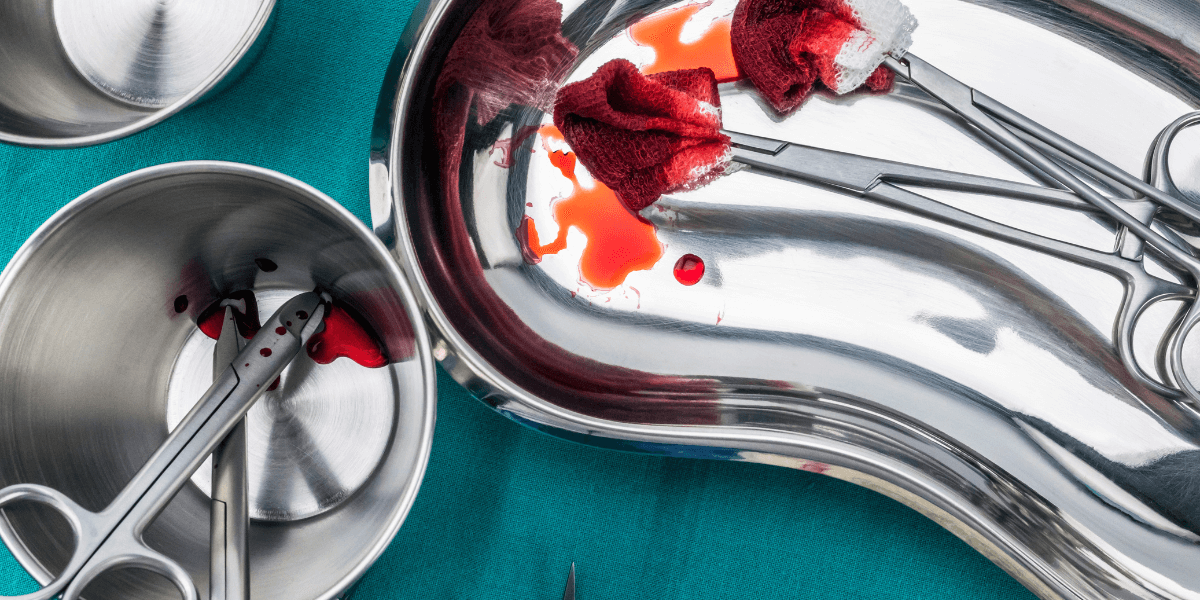
Holloware plays a quiet but central role in every operating theatre. These instruments, which include trays, basins and kidney dishes, create an organised work area for the surgical team. Good holloware supports infection control, speeds up workflow and protects patients. It also reduces the chance of accidental contamination during a procedure.
High-quality holloware in surgery helps staff keep instruments and dressings in the right place. That clarity reduces errors and keeps the sterile field intact. When you think about infection control, holloware is more than a receptacle. It is part of the system that keeps procedures safe.
Surgical Holloware and Design Features
Surgical holloware instruments are often made from high-grade stainless steel. That metal resists corrosion and takes repeated sterilisation cycles without deteriorating. Top-quality holloware has smooth, welded seams or seamless construction. Those design choices remove crevices where bacteria can hide.
Other features worth checking include stackability, ergonomic edges and compatibility with sterilisation racks. Trays and dishes should drain easily so moisture does not remain inside a sealed pack. A polished finish and rounded corners simplify cleaning and reduce risk during handling.
Sterilisation-Ready Construction
Holloware in surgery must withstand autoclaving, cold sterilant solutions and surface disinfection. Manufacturers select alloys and finishes that tolerate heat and chemicals. This resilience ensures holloware remains safe after repeated processing.
Look for holloware that is certified for medical use and that comes with clear reprocessing instructions. That guidance helps clinical staff maintain the item safely and extend service life.
Storage and Traceability
Once holloware is cleaned and sterilised, store it in an organised cabinet that is clean and dry. Avoid stacking heavy loads on top of packed trays. Use first-in, first-out rotation so older packs are used before newer ones. Maintain records of sterilisation cycles and pack contents to aid traceability. Good record keeping supports audits and helps identify issues quickly.
Compliance and Safety Considerations
Clinical units must align practices with national guidelines and the advice of device manufacturers. Traceable processes safeguard patients by confirming sterile status at the point of use. Regular maintenance of sterilisation equipment is essential. Biological indicators and cycle records provide evidence that processes perform correctly.
Proper staff training plays a major role in safety. Guarantee all team members know how to load trays, how to check for packaging integrity and how to handle holloware without contaminating sterile surfaces. That attention to process reduces risk and increases confidence during procedures.
Long-Term Value and Cost Considerations
Investing in durable holloware pays off. High-quality trays and kidney dishes withstand decades of use if cared for properly. They reduce recurring costs tied to frequent replacement and lower the risk of instrument damage. When procurement teams select holloware, they should weigh lifetime value as well as initial price.
Replace items that show signs of structural failure. A dented tray can cause poor instrument arrangement. A scratched kidney dish may harbour residues. Timely replacement protects patients and therapists alike.
Different Types of Holloware and Their Uses
Medical Trays
Medical trays are essential for organising and sterilising surgical instruments. Available in solid, perforated, and mesh varieties, they provide superior airflow during sterilisation and quick drying while maintaining structural strength and cleanliness.
Kidney Dishes
Designed with a curved, kidney-shaped profile, these dishes are used to collect fluids, hold instruments, and manage medical waste during procedures. Their ergonomic shape allows easy handling and patient comfort during use.
Surgical Instrument Boxes and Cassettes
These stainless steel containers keep instruments protected and organised before and after sterilisation. They are ideal for transport, storage, and maintaining sterile conditions in operating theatres.
Dressing Drums and Forceps Jars
Used for storing and sterilising dressings, bandages, and surgical tools, these containers ensure safety and sterility across multiple procedures. Their durable design supports repeated autoclaving without corrosion or wear.
Gallipots and Bowls
These smaller vessels are designed for mixing or holding sterile solutions, ointments, and medications. The smooth surfaces of Gallipots and bowls make them easy to clean.
MediTools Pty Ltd, a trusted medical equipment shop in Australia, offers a holloware collection that combines precision, hygiene, and strength, ensuring every instrument supports safe, efficient, and professional medical care. Check it out today!
Role of Surgical Trays
The importance of surgical trays goes beyond holding instruments. A well-prepared tray keeps the required tools accessible and protected. Trays designed for sterilisation let staff arrange instruments in a logical sequence, so setup time becomes shorter and more predictable.
Trays also protect instruments during transport and sterilisation. Using trays that suit the size and shape of specific sets prevents items from banging together. That protection reduces wear on fine instruments and keeps cutting edges intact.
Uses of Kidney Dishes in Hospitals
Kidney dishes have a simple shape that fits close to the patient and the surgical site. Their main duties include collecting soiled dressings, holding small items and containing bodily fluids. Many theatre teams use kidney dishes as a temporary storage point for used swabs and small disposables.
Maintaining Cleanliness and Hygiene
These dishes also help with bedside hygiene. Placing a kidney dish near the wound or operative site makes it easier to contain spills. This containment keeps floors and drapes cleaner and makes disposal more efficient.
Handling and Safe Disposal of Waste
A kidney dish can serve as a dedicated container for used swabs or small disposables during a procedure. Keep waste items segregated. After the procedure, follow local health guidelines for disposal or onward processing. Do not overload dishes during use. Overfilling increases the chance of spillage and cross-contamination.
Practical Tips for Use and Care
Caring for holloware is straightforward when a clear routine is in place. Start by removing gross contaminants at the point of care. Rinse items with cool water soon after use to prevent soils from drying on the surface. Clean with neutral pH detergents and use non-metal brushes on polished surfaces.
If you rely on reusable trays, inspect them regularly for dents and compromised welds. Damaged items can trap debris and affect sterilisation. Replace units that show pitting or deep scratches. For kidney dishes, ensure handles and rims remain smooth and intact.
Preparing Holloware for Procedures
Preparation matters. A standardised tray means every staff member knows where each item sits. Use instrument organisers inside trays and protect sharp edges with tip guards. Arrange dressings and single-use items so they are easy to withdraw without touching sterile instruments. Labelling tray contents helps with inventory control and reduces setup errors.
Quick Checklist for Holloware Use
- Remove gross soil promptly.
- Clean with approved detergents.
- Inspect for damage under good light.
- Load trays to allow steam or sterilant to circulate.
- Dry completely before storage.
Conclusion
Holloware in surgery plays a direct role in patient safety and theatre efficiency. Surgical trays organise instruments, speed up setup and protect items during sterilisation. Kidney dishes provide a controlled place for waste, fluids and small instruments at the bedside. Choosing robust, sterilisation-ready holloware and following clear cleaning protocols maintains sterile standards and prolongs equipment life.
If you need reliable surgical instruments or first aid kits, contact MediTools Pty Ltd today. Each item is made from non-magnetic, corrosion-resistant steel for easy sterilisation and long-lasting performance.
Disclaimer
The content provided here on the sterilization, cleaning, and reprocessing of surgical and medical instruments is strictly for informational and educational purposes only. This information is not a substitute for professional training, certification, or the manufacturer's official Instructions for Use (IFU). Sterilization is a critical, complex process that demands strict adherence to regulatory standards; improper technique can cause serious harm, including patient infection. All healthcare personnel must follow their facility's established protocols and the specific IFU for every instrument and piece of equipment. By using this blog, you agree that the author/owner holds no liability for any damages or consequences resulting from the application or misuse of this information.