




Multi-purpose instrument kits are increasingly common among early-career clinicians, nurses, and allied health staff. As training programmes emphasise hands-on competence and fast decision cycles, compact kits provide practical benefits for teaching, procedures, and routine patient care. This piece examines what drives this trend, how clinical practice adapts to precision tools, and what newcomers should look for when choosing instruments for daily use.
What A Multi-Purpose Kit Delivers For Trainees
Multi-purpose kits bring several practical gains to training environments. Trainees practice core skills using precision medical instruments that behave consistently across scenarios, shortening the learning curve for basic procedures. Portability means students can move between labs, wards, and simulation centres without losing access to familiar tools. In teaching sessions, standardised instrument sets reduce variability in technique, helping instructors assess skill development fairly. For emerging clinicians who face varied caseloads, having trusted, stable tools supports faster, safer performance during supervised procedures.
Compact Design, Big Impact
High-accuracy surgical instruments traditionally lived only in full operating suites. Multi-purpose kits package selected instruments into compact trays that support minor procedures, wound care, bedside interventions, and simulation practice. This approach keeps essential items organised and accessible, which reduces time spent searching for the right instrument and lowers interruption rates during clinical tasks. For teams that run rapid assessments or bedside interventions, the result is a steadier workflow and fewer avoidable delays.
Instrument Quality And Clinical Confidence
Quality matters when tasks require fine control. Clinical-grade precision instruments in a kit help users develop consistent hand-eye coordination, needle control, and suture technique. A reliable instrument also builds confidence during early independent practice. For supervisors, observing trainees using instruments that meet expected tactile standards simplifies feedback and coaching.
How Multi-Purpose Kits Reshape Procedure Training
Standardising Core Skillsets
Training programmes gain clarity when every learner uses similar kits. Standardisation reduces equipment-related variance in performance outcomes, helping educators focus on technique and decision-making rather than tool differences. Consistent instrumentation also supports fair exam conditions during objective structured clinical examinations.
Broad Applicability Across Specialties
Kits designed for versatility suit a range of minor surgical, emergency, and primary care tasks. Instruments suitable for wound debridement, catheter care, basic minor procedures, and suture practice provide cross-disciplinary value. This flexibility benefits learners who rotate through multiple departments during early postgraduate years.
Faster Transition From Classroom To Clinic
Because multi-purpose kits replicate procedural ergonomics found in clinical settings, trainees adapt more quickly when stepping into real patient care. Familiarity with instrument layout and handling reduces hesitation during supervised procedures, supporting safer patient outcomes.
Selecting The Right Kit: Practical Criteria
Precision And Tolerances
High-accuracy surgical instruments should hold sharpness and alignment over repeated sterilisation cycles. Look for instruments specified for clinical use, not low-grade alternatives intended for practice props.
Ergonomics And Balance
Tools that fit hands comfortably reduce fatigue during longer procedures and improve fine motor control. Balanced instruments support more precise movements and steadier suturing.
Material And Sterilisation Compatibility
Stainless steel grades designed for repeated autoclaving preserve edge geometry and finish. Confirm manufacturer recommendations for reprocessing so instruments retain function across cycles.
Kit Composition
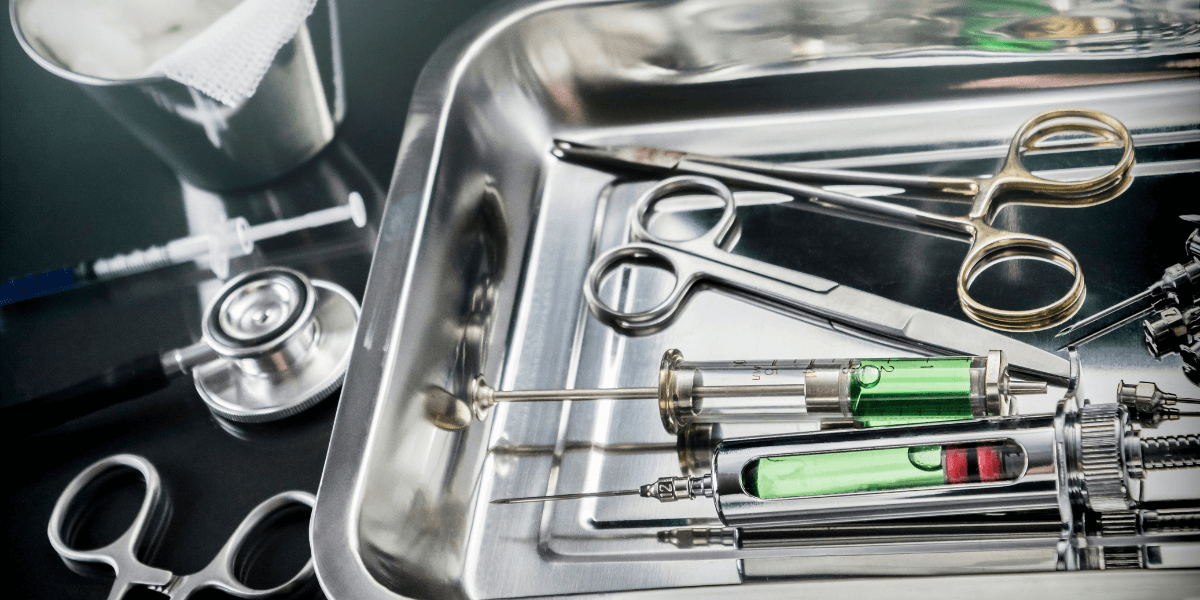
A well-designed multi-purpose kit includes forceps, needle holders, scissors, retractors, and a few specialty items relevant to the target practice area. Modular kits let educators swap items for specific teaching modules.
The Role Of Precision Tools In Patient Recovery
Precision tools in patient recovery support cleaner interventions, smaller wounds, and more accurate tissue handling. When clinicians use instruments that cut and grasp predictably, post-procedure inflammation and tissue trauma may be reduced. This effect contributes to smoother healing and lower complication rates in routine minor procedures.
Suture Technique And Healing Outcomes
Needle holders that provide a secure grip permit precise placement of sutures. That precision impacts tissue approximation quality, which in turn affects scar formation and infection risk. For early career practitioners, practising with clinical-grade instruments improves the eventual quality of real patient work.
Pain Control And Procedural Speed
Efficient instrumentation shortens procedure time, which can reduce patient discomfort and anxiety. Faster procedures also free staff capacity, benefiting overall clinic throughput during busy shifts.
Cost, Maintenance, And Lifecycle Considerations
Upfront Cost Versus Long-Term Value
Higher-quality precision instruments cost more initially but last longer under proper care. Training programmes and clinics often recoup investment through reduced replacement needs and improved trainee competence, which decreases wasteful practice on disposable substitutes.
Sterilisation Logistics
Consider instrument sets that match existing sterilisation protocols. Kits designed for standard trays and autoclave cycles integrate more smoothly into hospital sterilisation workflows.
Repair And Warranty Options
Select manufacturers that provide sharpening, repair, or exchange services. A clear post-purchase support model keeps kits functional across many training cohorts.
Using Kits In High-Fidelity Simulation
Simulation centres profit when instruments mimic clinical counterparts precisely. Multi-purpose kits let simulation teams stage realistic scenarios that challenge decision-making under pressure, producing transferable skills for bedside practice.
Scenario Realism
When instruments perform as they will in real clinical settings, learners experience authentic tactile feedback. This realism helps bridge the gap between simulation and first-patient encounters.
Instructor Feedback Loops
Consistent instrumentation clarifies whether observed errors stem from technique rather than poor equipment. This clarity sharpens feedback and accelerates skill improvement.
Addressing Common Concerns
Infection Control
Strict reprocessing schedules and traceability of kit components prevent infection risks. Institutions should adopt clear checklists for cleaning, inspection, and tracking instrument use.
Skill Dependency On Specific Kits
Educators must balance kit familiarity with general competence. Rotating instrument brands and occasional exposure to alternative tools prevent over-dependence and keep trainees adaptable.
Procurement Transparency
Institutions should publish procurement standards to help trainers select kits that meet clinical needs and safety standards. Open criteria support consistent quality across training cohorts.
Bottom Line
Multi-purpose instrument kits speed up practical learning, support consistent technique, and improve early clinical performance. For programmes focused on hands-on competence, investing in high-quality, durable kits is a pragmatic step toward safer, more confident patient care.
If you would like, MediTools Pty Ltd can recommend kit configurations and medical operation tools that match specific training goals or clinical departments.
Disclaimer
The content provided here on the sterilization, cleaning, and reprocessing of surgical and medical instruments is strictly for informational and educational purposes only. This information is not a substitute for professional training, certification, or the manufacturer's official Instructions for Use (IFU). Sterilization is a critical, complex process that demands strict adherence to regulatory standards; improper technique can cause serious harm, including patient infection. All healthcare personnel must follow their facility's established protocols and the specific IFU for every instrument and piece of equipment. By using this blog, you agree that the author/owner holds no liability for any damages or consequences resulting from the application or misuse of this information.


