Equine Oral Examination and Treatment
For centuries, people who had horses knew the worth of caring for their animal’s teeth. Historically, the better the horse’s dentition, the more horse had importance. If we fast forward to today, we do not compromise the dental health of the horse with their price or importance. Oral problems in horses can affect their athletic performance. It can also influence their life.
Equine Teeth
Like a human, horses also have two sets of teeth; one is deciduous teeth or milk teeth and the other one is permanent teeth. The deciduous teeth erupt at 6 months of age and start to be replaced by adult teeth around 2-1/2. At the age of 5, most horses have their full permanent
teeth.
Dental Problems, Indications & their Treatments
It is very important to diagnose dental problems early, waiting too long may increase the treatment
Pet’s emergency can strike anytime; anyone who has pets must keep a pet first aid kit in easy reach. Many situations require quick action to reduce the chances of injury, infection and further complications. Being prepared can keep the manageable incident from becoming a health threat. Someone who has faced an emergency can tell it is essential.
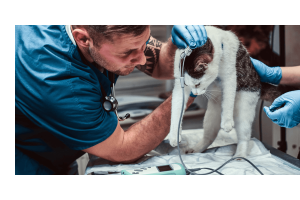
First aid is not a substitute for veterinary treatment. However, some basic first aid can help before you are able to get your pet to a veterinarian. Veterinary care should be following first-aid attempts.
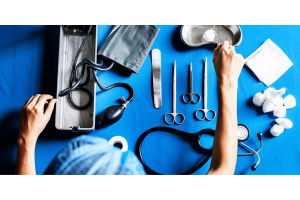
A pet’s first aid kit is the first step in being prepared should an animal emergency happen. Our Kit is designed to be used in the home as well as camping outside with pets. Besides an emergency, some instruments in the kit can be used regularly.
There are many pre-made kits available but building your own kit or adding to a pre-made one, maybe the best way to have a kit customized to meet pet’s lifestyle and needs. A veterinarian can help
Lameness is an abnormality of the horse’s gait that could be caused by pain, a mechanical problem such as “stringhalt” (muscle spasms), or a neurological problem such as “wobblers”.
Some causes of equine lameness:
Visual Examination
Examine the animal visually at a distance; note the body type and condition, conformation, any shifting in weight or abnormal stances, and the attitude of the animal.
Have a closer visual examination of the animal. Look for abnormal wear in the feet, cracks in the hoof, lacerations, swellings in joints or tendons, atrophy or swelling of the muscles, and any other gross changes.
An Animal can also be observed during exercise, at the walk, trot, and sometimes at the canter or gallop. Mostly, the trot is the most
When it comes to healthcare, every detail counts! From the experience of medical professionals to the reliability of the tools they use. One often overlooked, yet critical factor in patient care is medical instrument quality.
When performing routine check-ups or complex surgeries, healthcare professionals depend on precise, durable, and hygienic instruments. Poor-quality tools can increase risks, compromise procedures, and damage patient trust.
That's why selecting instruments that meet top surgical instrument standards is not just good practice; it's essential.
The connection between instrument quality and patient safety is direct and measurable. Instruments that are poorly manufactured or wear out quickly can cause errors during procedures, delay treatments, or lead to infections. Here's how: