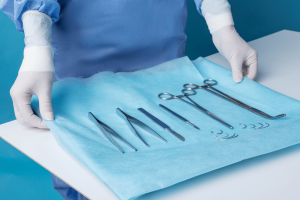
Surgical Instruments
Cross-contamination has long been a threat in medical environments. With the evolution of modern instrument design, healthcare facilities are finding safer ways to improve workflow and hygiene. Instruments today are engineered not only for function but also for safety. Through better ergonomics, seamless finishes, and sterilisation-friendly materials, professionals are empowered to manage hygiene standards more effectively.
This blog examines how innovation in medical tools is reducing infection risks while enhancing overall safety in clinical environments.
A key advantage of modern instruments is their user-focused innovation. Smoother finishes, minimal joints, and non-slip grips ensure both comfort and sanitation. These design features not only increase precision but also simplify cleaning procedures.
As contamination risks rise in shared environments, Australian clinics turn to safer options. Tools that prioritise durability and hygiene
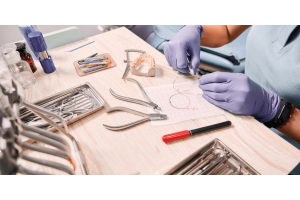
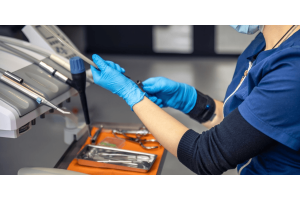
Delivering safe and effective healthcare depends heavily on the reliability of surgical tools. Each scalpel, clamp, or forceps is more than just equipment; it is vital to patient safety. Proper sterilising of surgical instruments and ensuring ongoing care are essential for reducing infection risks, maintaining performance, and extending the lifespan of these investments.
This guide outlines best practices for healthcare facilities and practitioners across Australia, providing clear steps on cleaning, disinfecting, sterilising, and preserving stainless steel instruments.
Although stainless steel surgical instruments are engineered for durability and longevity, their performance and effectiveness are influenced by the level of care they receive. Consistent and meticulous maintenance is crucial, as inadequate cleaning or improper sterilisation practices can lead to several detrimental outcomes, including:
How to Trim Thickened Toenails
While thick toenails usually don’t hurt, they can be uncomfortable if they grow too long or too thick. Why do toenails thicken and how do they need to be trimmed properly? Let’s discuss it in detail.
Why Do Toenails Get Thick?
Aging is the most common reason for thick toenails. As we age, our nails grow more slowly, which can lead to thickening. Other causes include:
How to Trim Thick Toenails.
Before trimming your thick nails, soften them by soaking your feet in warm water for 5 to 10 minutes. Then dry them well with a towel.
For the best results, use nail nippers instead of regular nail clippers. Nail nippers are easier to handle and strong enough to cut through