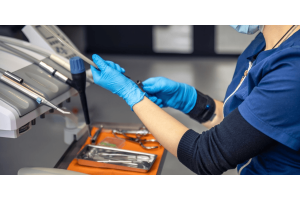
Dentistry has changed in quiet but powerful ways over the years. Patients may notice smoother treatments and faster appointments, yet much of that progress comes down to the tools themselves. Behind every clean finish and precise procedure lies a careful selection of materials that support safety, durability, and comfort.
Understanding what goes into modern dental instruments and materials gives a clearer view of how dental care continues to improve.
Understanding the Types of Dental Tools and Materials
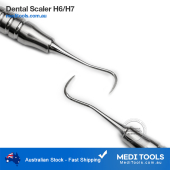
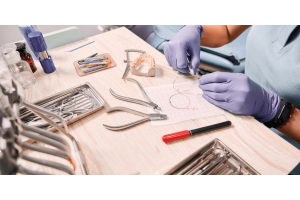
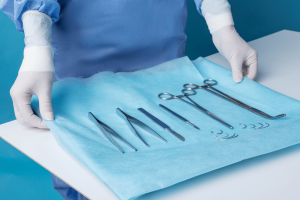
Dentists carefully choose among different dental instruments, selecting those that suit each instrument's role. Each type of material supports specific clinical tasks, helping ensure precision and reliability. The choice of material depends on the function required in everyday dental procedures.
Stainless Steel in Everyday Practice
Stainless steel remains one of the most trusted options in dentistry. Its resistance to rust and staining makes it
Starting a podiatry clinic is an exciting step for any practitioner ready to build an independent career in foot health. It brings together clinical skills, business planning, and patient care under one roof. With the right preparation, your clinic can grow into a trusted space where patients feel confident and comfortable.
This beginner-friendly guide to setting up a podiatry clinic walks through the essentials, helping you move forward with clarity and purpose.
A Guide to Podiatry Practice Setup
Before thinking about equipment or interiors, start with a solid plan. This includes defining your services, identifying your target patients, and understanding local demand.
In Australia, podiatry clinics often serve a mix of general patients, athletes, and people managing chronic conditions. Your clinic's direction will shape everything, including layout, tools, and staffing. Careful planning at this stage saves time, money, and stress later.
Minimally invasive surgery has transformed operating theatres across Australia. Smaller incisions, shorter hospitalisations, and quicker recovery periods have become the norm in various medical specialties. From general surgery to gynaecology, urology, and orthopaedics, clinicians are increasingly relying on precise, reliable equipment to deliver safe outcomes.
At the centre of this shift are minimally invasive surgery tools designed to support accuracy through limited access points. For healthcare professionals, understanding the design, handling, and maintenance of these instruments is essential for consistent performance and patient safety.
Australian hospitals have steadily expanded minimally invasive approaches over the past two decades. These techniques are associated with reduced postoperative pain, lower infection risk, and faster return to normal activity compared with traditional open procedures.
Shorter admissions also reduce pressure
Healthcare in Australia is changing. More people are receiving treatment, recovery support, and long-term care in their own homes. Hospitals are focusing on acute and complex cases, while patients who are stable are often encouraged to continue care at home. This shift has created growing demand for reliable, safe, and easy-to-use home healthcare equipment.
From ageing Australians managing chronic conditions to post-surgery patients recovering in comfort, the need for practical solutions has never been greater. Clinics and allied health providers are also working closely with families to ensure the right equipment is in place before discharge. The goal is simple. Keep patients safe, comfortable, and supported outside a clinical setting.
Australia’s ageing population is driving greater demand for care at home, with many older people choosing to stay in familiar surroundings. Chronic illnesses like diabetes, cardiovascular disease, and respiratory
Medical instruments play a central role across diagnosis, treatment, and surgical care. Selection decisions influence hygiene standards, operational costs, workflow efficiency, and patient outcomes. Healthcare facilities frequently evaluate single-use medical instruments alongside reusable ones when planning procurement strategies. Understanding how each category functions supports informed purchasing decisions and consistent medical instrument safety practices.
Medical tools fall into two primary categories based on intended lifespan. Disposable medical instruments serve one clinical procedure before disposal, while reusable tools undergo cleaning and sterilisation cycles before repeated use. Both categories support patient care across varied clinical settings.
Functional Characteristics of Single-Use Instruments
Single-use instruments arrive pre-sterilised and ready for immediate application. These tools remove concerns
Modern hospitals depend on structured clinical systems supporting diagnosis, treatment, surgery, and recovery. Behind each effective care pathway stands a carefully selected range of hospital medical instruments supporting accuracy, hygiene, and smooth operations. Emergency units, operating theatres, wards, and diagnostic departments rely on dependable tools every day. Thoughtful selection of medical equipment for hospitals shapes patient safety, clinical confidence, and workflow consistency. Reliable instruments reduce procedural delays and strengthen infection control standards. As healthcare demands grow, hospitals require tools that match regulatory expectations and evolving care models.
Basic assessment begins through core diagnostic devices. Thermometers, sphygmomanometers, pulse oximeters, and stethoscopes represent basic medical instruments used across all departments. These tools assist clinicians during initial
Multi-purpose instrument kits are increasingly common among early-career clinicians, nurses, and allied health staff. As training programmes emphasise hands-on competence and fast decision cycles, compact kits provide practical benefits for teaching, procedures, and routine patient care. This piece examines what drives this trend, how clinical practice adapts to precision tools, and what newcomers should look for when choosing instruments for daily use.
Multi-purpose kits bring several practical gains to training environments. Trainees practice core skills using precision medical instruments that behave consistently across scenarios, shortening the learning curve for basic procedures. Portability means students can move between labs, wards, and simulation centres without losing access to familiar tools. In teaching sessions, standardised instrument sets reduce variability in technique, helping instructors assess skill development fairly. For
Modern healthcare settings demand accuracy, speed, and dependable performance across every stage of patient care. As clinical pressures rise and patient volumes shift, smarter equipment plays a major role in helping teams stay organised and responsive. New technologies bring stronger support for diagnostics, treatment steps, and daily coordination, cutting down delays that once slowed clinical routines. These advancements also contribute to clearer insights and smoother communication among medical staff. Let’s explore how innovative medical tools shape efficient workflows, support confident decision-making, and create an environment where professionals can focus more on patient needs and less on manual hurdles.
Healthcare facilities face rising patient loads, strict documentation demands, and high expectations for precision. Modern equipment bridges critical gaps through accurate diagnostics, smoother procedural steps, and smarter
The healthcare landscape in Australia is shifting rapidly, and having the right medical consumables on hand in 2025 has become more important than ever. From busy clinics to home care settings, quality supplies keep everything running smoothly and safely. As patient expectations rise and infection control remains a top priority, every healthcare provider needs to be equipped with dependable tools and consumables that make daily tasks easier.
So, let’s look at the essential clinic supplies that are helping medical professionals deliver better care this year.
No clinic or home care kit is complete without disposable gloves. They’re the first line of defence for infection control, protecting both patients and staff. In 2025, nitrile gloves continue to lead the market thanks to their superior durability and latex-free comfort. Vinyl and latex options still have their place for general use, but nitrile remains the top choice for sensitive procedures and longer wear.
Starting a new clinic is an exciting milestone, but it also comes with a lot of responsibility. From selecting the right premises to hiring qualified staff, every decision shapes how smoothly your practice will run. One of the most crucial steps in the process is choosing the right tools and machinery. This clinic setup guide will walk you through choosing medical equipment that fits your clinic’s needs, budget, and long-term goals.
By the time you finish reading, you’ll have a clearer idea of what to prioritise and what to avoid when sourcing medical equipment for new clinic settings.
Before you buy anything, start with a clear plan. Every medical field has its own set of clinic startup essentials, and knowing your focus will save time and money later on.