


Home Healthcare Equipment: What Patients & Clinics Need Today
Healthcare in Australia is changing. More people are receiving treatment, recovery support, and long-term care in their own homes. Hospitals are focusing on acute and complex cases, while patients who are stable are often encouraged to continue care at home. This shift has created growing demand for reliable, safe, and easy-to-use home healthcare equipment.
From ageing Australians managing chronic conditions to post-surgery patients recovering in comfort, the need for practical solutions has never been greater. Clinics and allied health providers are also working closely with families to ensure the right equipment is in place before discharge. The goal is simple. Keep patients safe, comfortable, and supported outside a clinical setting.
Why Home-Based Care Is Growing in Australia
Australia’s ageing population is driving greater demand for care at home, with many older people choosing to stay in familiar surroundings. Chronic illnesses like diabetes, cardiovascular disease, and respiratory conditions also play a role in persistent health requirements. Managing these conditions at home can reduce hospital visits and support independence. In response, health services are expanding community care models supported by dependable medical equipment for home care.
Essential Equipment Patients Need at Home
Not all patients require complex technology. In many cases, the basics make the greatest difference.
Mobility and Support Aids
Mobility aids are common in home settings, including walking frames, wheelchairs, crutches, and scooters. They reduce falls and support safe recovery. Adjustable hospital beds also assist with positioning, pressure care, and circulation, creating a safer and more comfortable environment.
Monitoring Devices
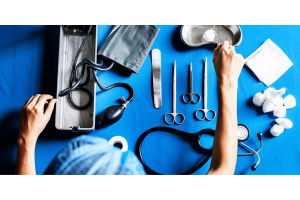
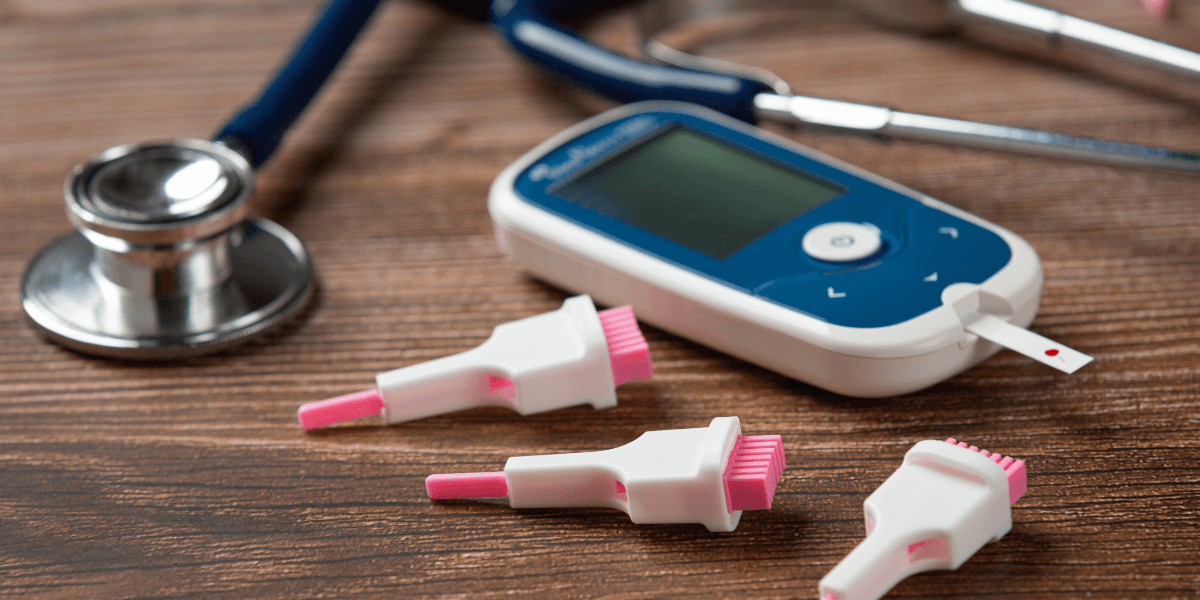
Monitoring health at home is now simpler. Blood pressure monitors, pulse oximeters, glucose meters, and thermometers are standard home medical devices in many households. Some transmit readings to clinics, supporting early intervention and reducing unnecessary appointments.
Respiratory and Oxygen Support
Respiratory illnesses like asthma and chronic obstructive pulmonary disease require dependable equipment. Nebulisers, CPAP machines, and oxygen concentrators are commonly used. These devices must meet safety standards and include clear instructions to support correct use at home.
Daily Living Aids
Daily living aids such as shower chairs, grab rails, and raised toilet seats improve safety and independence. In addition, simple healthcare supplies for home use, including wound care kits and gloves, support ongoing care and help prevent complications.
What Clinics Look for in Home Equipment
Healthcare providers do not simply recommend any product. Equipment must meet specific criteria.
Safety and Compliance
All medical products sold in Australia must comply with Therapeutic Goods Administration requirements. Clinics check that equipment is registered and meets national safety standards.
Electrical devices require proper certification, and clear user manuals must be provided. For higher-risk equipment such as oxygen systems or hospital beds, installation and servicing arrangements are also important.
Ease of Use
Patients at home may not have clinical training. Equipment needs to be intuitive and supported by clear instructions. Large displays, simple controls, and easy cleaning processes are valued features.
Clinics often collaborate with suppliers of medical instruments in Australia, like MediTools Pty Ltd, to ensure consistent quality and product availability. Reliable supply chains reduce delays and support continuity of care.
Durability and Maintenance
Home environments vary. Equipment may be used daily for extended periods. Durable construction and accessible spare parts are critical.
Suppliers who offer servicing, repairs, and replacement parts are preferred by clinics. This ensures that faulty equipment does not disrupt patient care.
The Role of Technology in Modern Home Care
Technology is reshaping home healthcare. Smart devices and digital platforms are improving communication between patients and providers.
Telehealth Integration
Telehealth became widely adopted during recent public health challenges and remains an important part of care delivery. When combined with monitoring devices, telehealth allows clinicians to review readings and adjust treatment plans without requiring in-person visits.
For rural and remote communities across Australia, this approach reduces travel time and improves access to specialists.
Data and Early Intervention
Digital records and connected devices provide real-time data. Early detection of abnormal readings can prevent hospital admissions. For example, sudden weight gain in heart failure patients may indicate fluid retention, prompting quick medical review.
Clinics are increasingly recommending compatible home healthcare equipment that integrates with secure health platforms. This ensures patient information remains protected while supporting better outcomes.
Supporting Carers and Families
Home care often relies on family members or informal carers. Equipment should reduce physical strain and simplify daily tasks.
Adjustable beds, patient lifters, and transfer aids prevent injuries to carers. Clear training materials and responsive customer support also make a significant difference.
Government programs such as the National Disability Insurance Scheme and Home Care Packages provide funding support for eligible individuals. Understanding funding pathways helps families access appropriate equipment without unnecessary financial stress.
Choosing the Right Supplier
Choosing a reliable supplier is equally crucial as picking the right product.
Product Range and Expertise
A reputable supplier offers a broad range of medical equipment for home care, from mobility aids to monitoring devices. Staff should understand clinical requirements and be able to provide guidance based on individual needs.
After Sales Support
Delivery, installation, and ongoing servicing are key considerations. Some patients require urgent replacements, so responsive customer service is essential.
Visiting a reliable equipment shop allows patients and clinics to see products firsthand and ask questions before purchase. This practical approach builds confidence in the chosen solution.
Meeting the Needs of Different Patient Groups
Healthcare equipment is not one size fits all. Different patient groups have specific needs.
Older Australians
Falls prevention is a major focus. Non-slip mats, handrails, and mobility aids reduce risk. Regular monitoring devices help manage blood pressure, diabetes, and heart conditions.
Post-Surgical Patients
Temporary equipment, such as crutches, braces, and compression devices, supports recovery. Clear instructions and short-term rental options are often helpful.
People Living With Disability
Long-term support may include powered wheelchairs, communication aids, and customised seating systems. Equipment must support comfort, independence, and participation in daily life.
Palliative and End of Life Care
Comfort is the priority. Hospital beds, pressure care mattresses, and oxygen therapy equipment create a supportive environment. Families benefit from clear guidance and prompt support from suppliers.
Looking Ahead
Home-based healthcare in Australia is set to grow as technology advances, the population ages, and health reforms continue. More patients are receiving care at home with support from trained professionals and reliable equipment. Safety, comfort, and independence remain central priorities. With appropriate home medical devices and steady access to home healthcare supplies, patients can manage their conditions confidently. Clinics and suppliers play a key role by recommending compliant, durable, and user-friendly products.
Conclusion
Demand for home healthcare equipment in Australia continues to rise as more treatment shifts beyond hospitals. Patients need practical, safe, and easy-to-use solutions, while clinics require products that meet regulatory standards and support effective care plans. Reliable suppliers, clear guidance, and strong after-sales support are essential.
MediTools Pty Ltd provides a broad range of quality products and expert advice. Visit our online medical equipment shop to support safe, comfortable care at home.
Disclaimer
The content provided here on the sterilization, cleaning, and reprocessing of surgical and medical instruments is strictly for informational and educational purposes only. This information is not a substitute for professional training, certification, or the manufacturer's official Instructions for Use (IFU). Sterilization is a critical, complex process that demands strict adherence to regulatory standards; improper technique can cause serious harm, including patient infection. All healthcare personnel must follow their facility's established protocols and the specific IFU for every instrument and piece of equipment. By using this blog, you agree that the author/owner holds no liability for any damages or consequences resulting from the application or misuse of this information.