

How Surgical Tools Are Improving Patient Outcomes in Modern Clinics
Modern clinics across Australia are under constant pressure to provide safe treatment, efficient workflows, and strong patient experiences. From day procedures to specialist consultations, every step matters. One major factor shaping results is the quality of instruments used during diagnosis, treatment, and follow-up care.
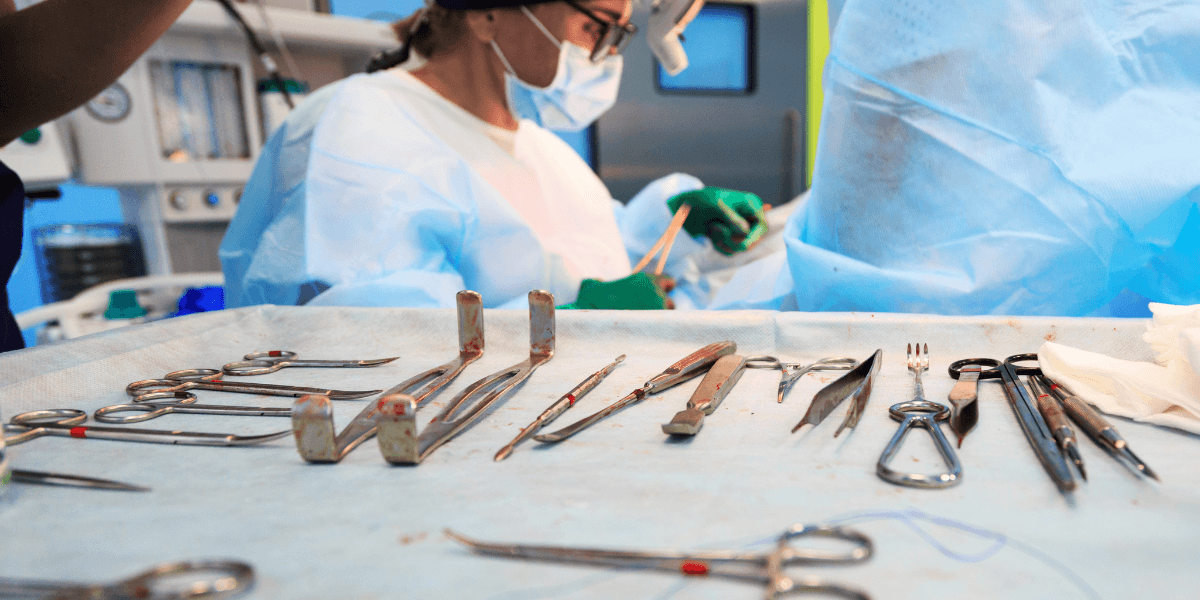
Reliable equipment helps clinicians work with greater precision, shorter treatment times, and stronger infection control standards. As healthcare continues to advance, modern surgical tools are playing an important role in supporting safer care and better recovery outcomes.
Why Surgical Tools Matter in Clinical Settings
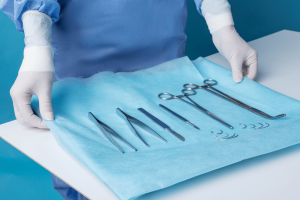
Patients often judge care by communication, comfort, and recovery. Behind the scenes, instruments and equipment also have a direct impact on results. Sharp, accurate, and well-maintained tools assist healthcare professionals in completing procedures smoothly and efficiently.
When clinics use outdated or poorly maintained instruments, treatment delays and avoidable complications can become more likely. In contrast, quality equipment supports consistency and confidence in busy clinical environments.
For Australian clinics managing rising patient demand, dependable tools are no longer optional. They are part of delivering modern healthcare standards.
Reasons Why Better Surgical Tools Lead to Better Patient Outcomes
· Precision Supports Better Treatment
Accurate procedures are essential in any clinical setting. Small margins of error can affect tissue handling, wound closure and recovery times.
Cleaner Incisions and Tissue Handling
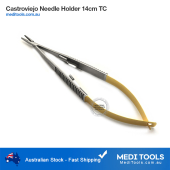
High-quality scalpels, forceps, scissors and needle holders are designed for control. Cleaner incisions may reduce trauma to surrounding tissue, which can help healing progress more smoothly.
Gentle tissue handling is especially important in skin procedures, minor surgery and specialised treatments. Instruments with a reliable grip and balance help practitioners perform with greater accuracy.
Better Suturing and Closure
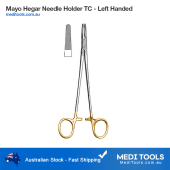
Wound closure is another area where quality matters. Needle holders with secure locking mechanisms and fine control allow clinicians to place sutures accurately. This can support neat wound edges and improved healing outcomes.
In many clinics, better closure techniques contribute to lower infection risk and stronger cosmetic results.
· Infection Control and Patient Safety
Infection prevention remains a priority in every healthcare setting. Surgical tools that are easy to clean, sterilise and maintain help clinics meet strict hygiene protocols.
Sterilisation Standards
Stainless steel instruments and approved materials are widely used because they tolerate repeated sterilisation cycles. Durable finishes also help reduce corrosion and surface damage. Clinics sourcing medical instruments in Australia from MediTools Pty Ltd often prioritise products that meet local compliance standards and come with clear care instructions.
Single Use and Reusable Options
Some procedures benefit from sterile single-use items, while others rely on reusable instruments processed through validated cleaning systems. The right choice depends on the treatment type, workflow, and infection control plan.
· Faster Procedures Improve Patient Experience
Time matters in healthcare. Efficient treatment can reduce stress for patients and improve scheduling for clinics.
Reduced Chair Time
When instruments perform reliably, clinicians spend less time adjusting, replacing, or troubleshooting during procedures. This can shorten appointments and improve comfort for patients.
Shorter treatment times are especially valuable for children, elderly patients, and those who feel anxious during procedures.
Smoother Workflow for Staff
Reliable clinic surgical equipment also benefits nurses, technicians, and administrative teams. Consistent setups and dependable instruments help appointments run on schedule.
This flow-on effect can reduce waiting times and improve the overall patient experience.
· Supporting Minimally Invasive Care
Many clinics now offer procedures that involve smaller incisions or limited tissue disruption. These approaches often rely on specialised instruments designed for precision.
Smaller Instruments, Better Recovery
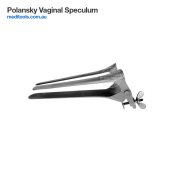
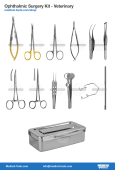
Fine surgical tools used in dermatology, ophthalmology, gynaecology and day surgery settings can support less invasive treatment methods. Smaller incisions may reduce discomfort and speed up recovery.
Patients often value being able to return to normal routines sooner, especially when procedures are completed in outpatient settings.
Confidence in Day Procedures
As more treatments move away from hospitals into specialist clinics, dependable tools become even more important. Clinicians need instruments that perform consistently in high-turnover environments.
· Technology and Smarter Equipment
Traditional hand instruments remain essential, but digital technology is also shaping modern care.
Improved Visibility
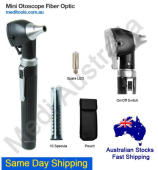
Magnification systems, fibre optic lighting, and high definition imaging tools help clinicians see treatment areas more clearly. Better visibility can improve decision-making during procedures.
Energy-Based Devices
Modern clinics may also use cautery units, vessel sealing devices, or other advanced systems, depending on specialty needs. These tools can reduce bleeding and support efficient treatment. Used correctly, technology plays a clear role in improving patient outcomes across many clinical settings.
· Staff Confidence and Clinical Performance
Healthcare professionals perform best when they trust the tools in front of them. Poor quality instruments can create frustration, delays, and uncertainty.
Training and Familiarity
Standardised equipment sets help staff work confidently. When clinicians know how instruments are handled and perform procedures, they often run more smoothly.
Training is also easier when clinics maintain consistent brands and product lines across treatment rooms.
Reduced Workplace Stress
Reliable tools can lower pressure during busy sessions. This creates a calmer environment for both staff and patients, which contributes to a better overall experience.
· Maintenance Matters Just as Much
Even excellent instruments require proper care. Sharpness, alignment, and cleanliness affect long-term performance.
Routine Inspection
Regular checks for wear, rust, loose joints, or blunt edges help clinics identify issues early. Replacing damaged items promptly supports patient safety.
Correct Storage
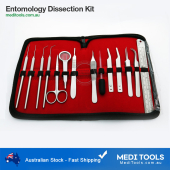
Protective trays, dry storage and organised instrument packs help preserve quality between uses. Small maintenance steps often extend product life significantly.
Choosing the Right Supplier
The supplier relationship can shape day-to-day clinic performance. Delays in stock, poor quality products, or limited support can create unnecessary problems.
A trusted medical equipment shop should offer compliant products, dependable delivery, and knowledgeable service. Clinics also benefit from suppliers who understand local healthcare requirements and provide after-sales assistance. This is particularly important for growing clinics that need to scale operations without disrupting care quality.
What Patients Notice Most
Patients may not know the technical details of every instrument, but they notice the results. They notice efficient appointments, lower discomfort, clean treatment rooms, and clear recovery progress. They notice when procedures feel organised and professional. In many ways, the impact of strong equipment standards becomes visible through patient confidence and satisfaction.
Conclusion
Modern healthcare depends on far more than clinical skill alone. Reliable instruments, strong hygiene standards, and efficient systems all contribute to safer treatment and better experiences.
From precise hand tools to advanced devices, modern surgical tools continue to shape better care pathways in Australian clinics. They support faster procedures, cleaner recovery, and stronger confidence for both patients and practitioners.
For clinics seeking dependable solutions, MediTools Pty Ltd offers trusted products, expert guidance, and quality service. Visit our professional medical equipment shop today for instruments designed to support modern clinical care and better patient outcomes.
Disclaimer
The content provided here on the sterilization, cleaning, and reprocessing of surgical and medical instruments is strictly for informational and educational purposes only. This information is not a substitute for professional training, certification, or the manufacturer's official Instructions for Use (IFU). Sterilization is a critical, complex process that demands strict adherence to regulatory standards; improper technique can cause serious harm, including patient infection. All healthcare personnel must follow their facility's established protocols and the specific IFU for every instrument and piece of equipment. By using this blog, you agree that the author/owner holds no liability for any damages or consequences resulting from the application or misuse of this information.