

A Complete Guide to Surgical Instrument Classification
Executive Summary: Surgical instruments are classified by function cutting, grasping, clamping, retracting, and suturing) and by material, including stainless steel, titanium, and single-use options. Powered and laparoscopic tools extend this system into bone work and minimally invasive procedures across surgical, dental, podiatry, and veterinary settings.
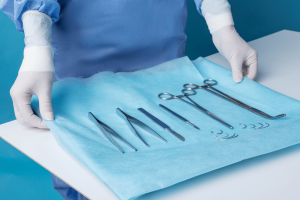
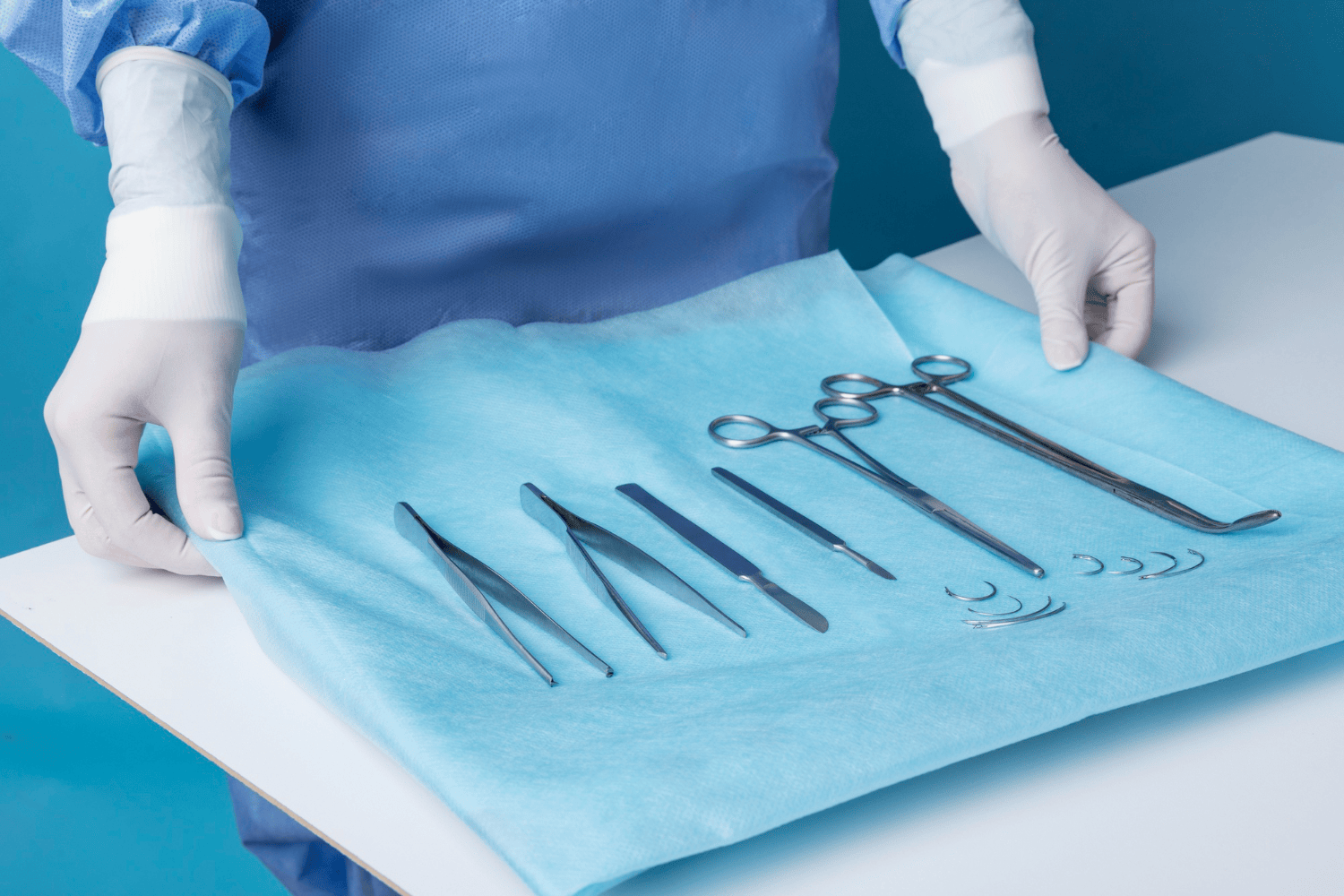
A surgical tray never leaves things to chance. Every instrument sits in a fixed spot, and that placement follows a system built purely around function. This surgical instruments guide unpacks that system in plain terms, using a set of clear examples along the way.
Group tools by task and the logic snaps into focus fast: cutting tools separate tissue, grasping tools hold it in place, and clamping tools stop blood flow before it spreads. Retractors expose the site, suturing tools close it, and suction tools clear the field so nothing blocks the surgeon's view.
Material and design further sharpen the picture, since stainless steel, titanium, and single-use options each address a different need.
What Does Instrument Classification Mean in Surgery?
Surgical tools are grouped by the job each one performs. A cutting instrument separates tissue, a grasping instrument holds tissue steady, and a clamping instrument controls blood flow. This system gives every surgical team member a shared language for equipment.
The classification of surgical instruments also connects to manufacturing standards and sterilisation methods. Stainless steel forms the base material for most reusable tools, while newer designs use titanium or high-grade polymers. Correct grouping keeps trays organised and lowers the risk of picking the wrong tool.
Surgical Instrument Categories by Function
Surgeons group tools into practical categories based on what each one does. Here are the main groups found on almost every instrument tray.
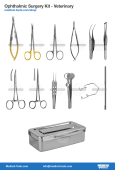
● Cutting and Dissecting Tools: Scalpels, scissors, and biopsy punches fall into this group. Surgeons use them to separate tissue layers with precision. A fine blade suits eye surgery, while a broader blade handles general incisions.
● Grasping and Holding Tools: Forceps and towel clips belong to this category. These tools hold tissue, organs, or surgical drapes steady. A ratcheted handle locks the grip in place, so the surgeon's hand stays free.
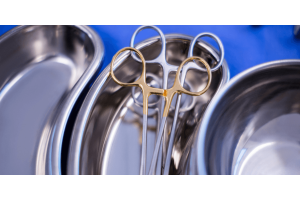
● Clamping and Occluding Tools: Haemostatic forceps and vascular clamps sit in this group. Surgeons use them to press blood vessels closed. This control limits blood loss and keeps the surgical field clear.
● Retracting and Exposing Tools: Deaver and Richardson retractors are common examples here. These tools hold back muscle, skin, or organs to reveal the surgical site. A self-retaining retractor stays open on its own, while a hand-held version needs support.
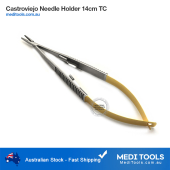
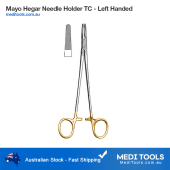
● Suturing and Stapling Tools: Needle holders and skin staplers close the surgical site at the end of a procedure. A needle holder grips a curved needle and guides it through tissue. Staplers speed up closure for longer incisions.
● Suctioning and Aspirating Tools: Suction tips and aspirators clear blood and fluid from the surgical field. A clear field lets the surgeon see tissue structures without interruption. These tools connect to a vacuum source with several tip shapes.
Categories at a Glance
A quick table keeps these groups straight:
| Category | Example Instruments | Main Function |
Cutting | Scalpel, Scissors | Separates tissue |
Grasping | Forceps, Towel clip | Holds tissue steady |
Clamping | Haemostat, Vascular clamp | Controls blood flow |
Retracting | Deaver retractor | Exposes surgical site |
Suturing | Needle holder, Stapler | Closes the wound |
Types of Surgical Instruments by Material and Design
Material choice affects how long a tool lasts and how it responds to sterilisation. Three groups cover most instruments used across surgical, dental, and veterinary settings.
Stainless Steel Instruments
Most reusable tools are made of surgical-grade stainless steel because it resists corrosion and withstands repeated sterilisation cycles. This material maintains a sharp edge and remains durable over years of use. Hospitals favour stainless steel for its balance of strength and value.
Titanium Instruments
Titanium tools weigh less than stainless steel while keeping similar strength. Surgeons performing microsurgery appreciate the lighter grip. This material resists corrosion well, though it carries a higher price tag.
Single-Use Instruments
Some tools, like certain scalpel blades, come as single-use items. These disposable tools remove the sterilisation step and lower the risk of cross-contamination between patients. Clinics with a high patient turnover keep these next to reusable trays.
How Powered and Laparoscopic Tools Fit the Surgical Instrument Classification
Surgery does not stop at scalpels and forceps. Bone work requires more force than any hand tool can provide, so surgeons turn to powered instruments driven by battery, electric, or pneumatic systems. Orthopaedic and neurosurgical teams rely on these drills and saws for speed and control, and the drive type depends on bone density and procedure length.
Laparoscopic tools work on a different scale. These instruments pass through a small incision and rely on a camera to guide every move inside the body. Graspers, scissors, and dissectors feature long, slim shafts built for tight spaces, which reduce discovery time compared with open surgery.
FAQs
What Are the Classifications of Surgical Instruments?
Surgical instruments are grouped by function, material, and how a team uses them. The main functional groups cover cutting, grasping, clamping, retracting, and suturing. Material groups include stainless steel, titanium, and single-use options.
What Are the Different Types of Surgical Instruments?
Different types include hand-held tools such as scissors and forceps, powered tools for bone work, and laparoscopic tools for minimally invasive access. Dental, podiatry, and veterinary settings each carry specialised versions. The right type depends on the procedure at hand.
What Are the Main Surgical Instrument Categories?
The main categories cover cutting and dissecting, grasping and holding, clamping and occluding, retracting and exposing, and suturing and stapling. Suctioning and aspirating tools form another common category. Each supports a specific step in a procedure.
Which Surgical Instruments Are Used for Cutting?
Scalpels, surgical scissors, and biopsy punches handle cutting tasks. Blade shape and size vary by tissue type. A fine blade suits delicate work, and a broader blade handles larger incisions.
Which Surgical Instruments Are Used for Grasping?
Tissue forceps, towel clips, and Allis clamps are used for grasping tasks. A ratcheted design on these tools locks the grip without constant hand pressure. Surgeons choose a grasping tool based on the tissue's delicacy.
Conclusion
Surgical instrument groups give any reader a clearer picture of what happens inside an operating room. Every tool carries a defined role, and that role shapes how surgical teams plan and use equipment. This surgical instruments guide outlines the main groups, material choices, and a few specialised categories that keep modern surgery precise.
A tray only works when the tools behind it hold up, and MediTools Pty Ltd builds that reliability into every set. Buy medical instruments crafted from durable stainless steel, built to hold their edge through every procedure. Shop from us today and put precision within easy reach!
Disclaimer
The content provided here on the sterilization, cleaning, and reprocessing of surgical and medical instruments is strictly for informational and educational purposes only. This information is not a substitute for professional training, certification, or the manufacturer's official Instructions for Use (IFU). Sterilization is a critical, complex process that demands strict adherence to regulatory standards; improper technique can cause serious harm, including patient infection. All healthcare personnel must follow their facility's established protocols and the specific IFU for every instrument and piece of equipment. By using this blog, you agree that the author/owner holds no liability for any damages or consequences resulting from the application or misuse of this information.