

Essential Veterinary Ophthalmic Instruments and Their Uses
Executive Summary: Accurate eye care depends on specialised tools that support examination, treatment and delicate surgery. High-quality equipment and proper maintenance improve precision, protect delicate tissue, support safer procedures and help achieve better outcomes for animal eye health.
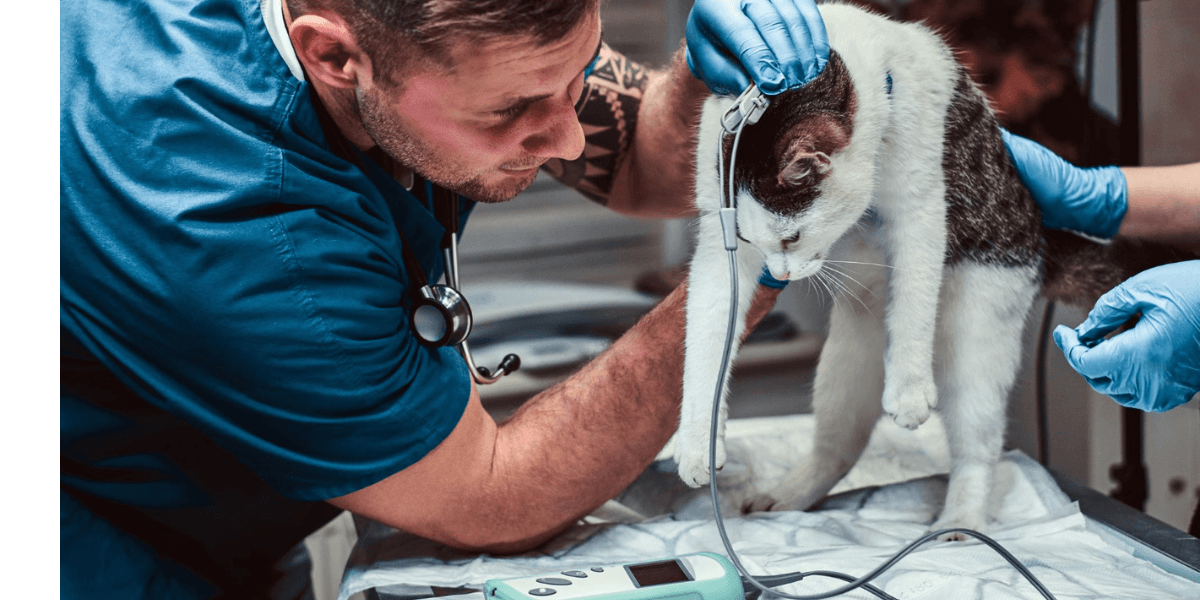
Veterinary ophthalmic instruments help vets care for animals' eyes with precision. Pets, farm animals and wildlife all need healthy vision to live well. These special tools let vets check for problems, treat injuries and perform gentle surgery. Good instruments make every step safer for the animal and clearer for the vet.
This guide shows the main tools, what they do and how they help in daily clinic work. You will learn about simple devices that give control during checks and operations while keeping the animal as calm as possible.
Key Diagnostic Tools for Animal Eyes
Good checks begin with tools that show the eye clearly without stress.
Focal Light Sources For Detailed Views
A strong, focused light shows the surface of the cornea and the pink tissue around it. The Finoff light fits on a normal handle and spreads an even beam so small marks stand out. Vets use it in a dark room to watch how the pupil reacts and to see if the front of the eye looks clear. This basic tool starts most eye checks and helps spot early trouble.
Ophthalmoscopes For Fundus Inspection
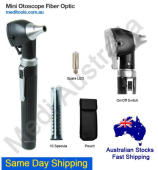
Direct or indirect ophthalmoscopes let the vet look at the back of the eye. The tool shines light through the pupil and makes the image bigger so the retina and optic nerve can be seen. Regular use of these devices helps find early changes in the back of the eye in dogs and cats before vision is lost.
Tonometers For Pressure Measurement
A tonometer either touches the cornea gently or uses a small rebound method to measure intraocular pressure. High numbers can mean glaucoma is starting. Fast readings help the vet decide whether medication or further tests are needed and protect vision in breeds at higher risk.
Tear Test Strips For Moisture Assessment
Schirmer strips measure how much watery tear the eye makes in one minute. Low numbers show the eye is too dry and needs treatment soon. The test is quick, and most animals accept it without fuss.
Fluorescein Strips For Surface Defects
These paper strips contain a special dye that glows under blue light. The dye highlights any break or ulcer in the cornea, allowing the vet to see its size and depth. Treatment can start right away once the problem is clear.
Core Surgical Veterinary Eye Instruments
When surgery is needed, specialised tools minimise tissue damage.
Eyelid Specula For Clear Exposure
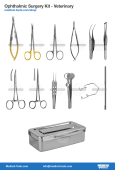
The Barraquer wire speculum holds the eyelids open with a light spring force. The design keeps pressure off the eyeball while giving a steady open field. Different sizes work for both small pets and larger animals so that the vet can see clearly every time.
Tissue Forceps For Gentle Grasping
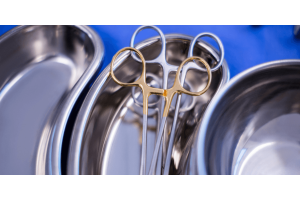
Bishop-Harmon and Colibri Forceps have tiny teeth that hold the pink tissue or the cornea firmly yet gently. Some models also have a flat area that holds fine suture thread without crushing it. These forceps give safe control during delicate work.
Tenotomy Scissors For Precise Cuts
Stevens tenotomy scissors with blunt tips separate the pink tissue and help make flaps. The short blades give the vet excellent control in the small space around the eye. Clean cuts mean less swelling and faster healing for the animal.
Needle Holders For Fine Suturing
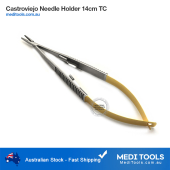
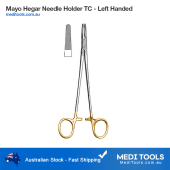
Castroviejo needle holders grip the very small needles used with fine suture. Both locking and free versions allow the vet to place neat stitches in soft tissue. Steady handling keeps the eye safe during the final steps of surgery.
Uses of Veterinary Ophthalmology Instruments in Daily Practice
These tools help with both everyday checks and more complex repairs.
Examining The Anterior Segment
Light sources and magnification work together to inspect the cornea, iris and lens. Early detection of cataracts or inflammation inside the eye leads to better results for the animal. Clear views guide the right next step every time.
Managing Eyelid Conditions
Specula and forceps help correct inward-rolling lids or remove small growths. Clean edges and careful stitching bring the lid back to normal function. The animal can blink and protect the eye again soon after.
Repairing Corneal Injuries
Scissors and forceps allow the vet to place a graft or close ulcers and cuts. The right choice of tool keeps the eye's clear surface smooth. Smooth healing protects the animal's sight for the long term.
Performing Intraocular Procedures
Needle holders and fine forceps handle the tiny stitches needed inside the eye. Steady control protects the iris and lens during cataract work. Careful instrument use reduces risk during these deeper operations.
Supporting Large Animal Cases
Bigger specula and longer tools use the same careful ideas for horses and cattle. Secure open views stay important even when the eye is larger. The same gentle methods keep large patients safe.
Benefits of Quality Animal Ophthalmic Instruments
Using well-made tools brings clear gains for both animals and the clinic team.
Benefit | How it helps |
Greater accuracy | Clearer views and steady holds lead to better decisions |
Lower tissue damage | Soft grips and sharp edges reduce swelling and pain |
Faster healing | Clean cuts and neat stitches speed recovery |
Higher comfort | Gentle handling keeps animals calmer during care |
Longer tool life | Strong materials stay sharp through many sterilisations |
Better clinic flow | Reliable instruments cut delays and support smooth work |
Care Tips for the Instruments
● Clean every tool right after use with mild soap.
● Rinse well under clean water.
● Dry each piece fully before packing.
● Autoclave according to clinic rules.
● Keep instruments in soft trays that prevent tips from touching.
● Check for bends or dull edges before every use.
FAQs
What Are Veterinary Ophthalmic Instruments?
They are specialised tools used to examine and treat animal eyes. The set covers lights, magnification tools, forceps, scissors and needle holders that match the soft size of eye tissue.
What Instruments Are Used In Veterinary Eye Surgery?
Common choices are eyelid openers, fine forceps, tenotomy scissors, small needle holders and the right blades. Each piece supports one clear step from opening the field to closing the wound.
How Do Veterinary Ophthalmic Instruments Work?
Most use simple mechanical design. Specula pull tissue back with a light spring force. Forceps hold without crushing. Scissors cut cleanly with little drag. Needle holders control tiny needles so stitches sit in the right place.
How Do Veterinarians Examine Animal Eyes?
The process starts in a dark room with a focused light. Magnification and ophthalmoscopy come next. Tear tests, dye staining, and pressure checks complete the basic workup.
Conclusion
Quality veterinary ophthalmology instruments give vets the steady control needed to protect animal vision every day. The right tools support every stage of an eye procedure, making each step smoother and safer. Choosing durable instruments and maintaining them properly helps ensure reliable performance across many cases.
Veterinary practice benefits even more with a trusted supplier behind every procedure. MediTools Pty Ltd makes it easy to buy medical instruments built for dependable performance and lasting quality. Visit us today for professional instruments you can rely on every day!
Disclaimer
The content provided here on the sterilization, cleaning, and reprocessing of surgical and medical instruments is strictly for informational and educational purposes only. This information is not a substitute for professional training, certification, or the manufacturer's official Instructions for Use (IFU). Sterilization is a critical, complex process that demands strict adherence to regulatory standards; improper technique can cause serious harm, including patient infection. All healthcare personnel must follow their facility's established protocols and the specific IFU for every instrument and piece of equipment. By using this blog, you agree that the author/owner holds no liability for any damages or consequences resulting from the application or misuse of this information.