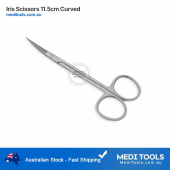
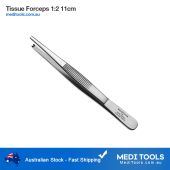
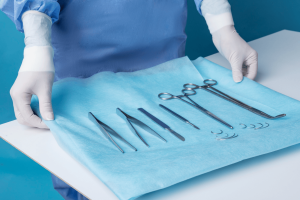
Medical instrument sizing often includes measurements such as overall length, diameter, gauge, and model or component numbers. Learn what each marker means, read listings with confidence, and match every tool to its task, so beginners can order the right instrument the first time without guesswork or costly returns.Precision begins with the right measurements. In medical instruments, size influences handling, access, control, and suitability for specific procedures. Understanding instrument lengths, dimensions, and sizing conventions makes product specifications easier to interpret and supports more informed purchasing decisions.
This beginner's guide explains medical instrument sizes and measurements in clear, practical terms, helping build a solid foundation for selecting instruments that meet clinical requirements.
Why does a small difference in size
Stainless steel offers strength, durability, and good cutting performance, while titanium provides lower weight, non-magnetic properties, and can be anodised to reduce glare-free finishes for delicate work. Neither metal wins every single task, so the right choice truly depends on your procedure, your budget, and how long each instrument stays comfortably in your hand.
Every instrument in your tray started as a decision about metal. Most people never think about it until a tool feels too heavy at the end of a long day, or a tip loses its edge sooner than expected. Two materials dominate the conversation, and each has loyal fans for good reasons. Understanding what separates them can save money, protect your hands, and keep your tray performing well for years.
This guide breaks down the key differences, shares practical examples, and helps you match each metal to the work it does best. Take a comfortable
Accurate eye care depends on specialised tools that support examination, treatment and delicate surgery. High-quality equipment and proper maintenance improve precision, protect delicate tissue, support safer procedures and help achieve better outcomes for animal eye health.
When it comes to healthcare, every detail counts! From the experience of medical professionals to the reliability of the tools they use. One often overlooked, yet critical factor in patient care is medical instrument quality.
Strong inventory management is essential for keeping hospitals and clinics operating efficiently. Every hospital and clinic relies on a steady supply of medical products to provide timely treatment and maintain high standards of patient care. Running out of essential items can delay procedures, while ordering too much stock often leads to unnecessary waste and higher operating costs.
If you work in podiatry, nail care, or any hands-on health profession, your nail nippers are tools you depend on every single day. They handle tough, thick, and sometimes ingrown nails with precision. But even the best pair will not last long without proper care. The good news is that nail nipper maintenance does not involve costly equipment or complex procedures.
Medical diagnostic instruments play a critical role in healthcare settings across Australia. From hospitals and specialist clinics to pathology labs and general practices, these instruments help clinicians assess patient conditions accurately and efficiently. Reliable performance depends not only on the quality of the equipment but also on proper care, regular inspection and correct cleaning procedures.
Infection control remains one of the most important priorities in any healthcare setting. From large hospitals to small clinics and day procedure centres, preventing the spread of harmful microorganisms is essential for patient safety and staff protection. Strong infection control practices also help reduce complications, shorten recovery times, and maintain public confidence in healthcare services.
Dentistry has changed in quiet but powerful ways over the years. Patients may notice smoother treatments and faster appointments, yet much of that progress comes down to the tools themselves. Behind every clean finish and precise procedure lies a careful selection of materials that support safety, durability, and comfort.
Starting a podiatry clinic is an exciting step for any practitioner ready to build an independent career in foot health. It brings together clinical skills, business planning, and patient care under one roof. With the right preparation, your clinic can grow into a trusted space where patients feel confident and comfortable.