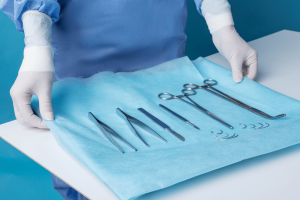
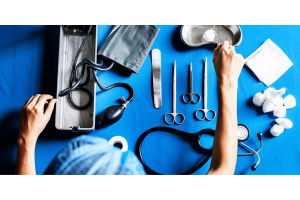
Holloware plays a quiet but central role in every operating theatre. These instruments, which include trays, basins and kidney dishes, create an organised work area for the surgical team. Good holloware supports infection control, speeds up workflow and protects patients. It also reduces the chance of accidental contamination during a procedure.
High-quality holloware in surgery helps staff keep instruments and dressings in the right place. That clarity reduces errors and keeps the sterile field intact. When you think about infection control, holloware is more than a receptacle. It is part of the system that keeps procedures safe.
Surgical holloware instruments are often made from high-grade stainless steel. That metal resists corrosion and takes repeated sterilisation cycles without deteriorating. Top-quality holloware has smooth, welded seams or seamless construction. Those design choices remove crevices where bacteria can hide.
Other features worth
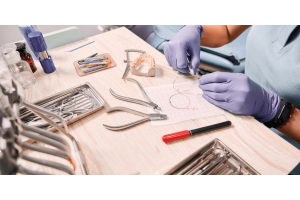
When it comes to high-precision medical tools, even the smallest oversight can have serious consequences. Instruments like scalpels, forceps, and other surgical tools are designed for accuracy and control, and keeping them sterile is vital. Contamination doesn’t just compromise patient safety; it can also reduce the lifespan of the instrument, cause corrosion, or affect performance.
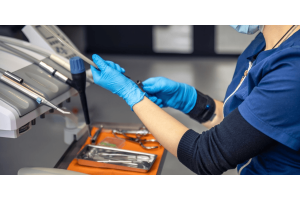
The sterilisation of surgical instruments is a key part of infection control in every clinic and hospital across Australia. Following a consistent, evidence-based process guarantees that every procedure begins with tools that are clean, safe, and ready for use.
High-precision medical instruments have delicate components like fine edges, intricate joints, and small hinges that require careful handling. These are not tools that can simply be wiped down or dipped in disinfectant. They need methodical, thorough cleaning and sterilisation steps to preserve their integrity.
Healthcare relies on precision, reliability, and trust. No matter for surgeries or routine check-ups, the tools used by medical professionals can directly influence patient outcomes. High-quality surgical instruments, precision medical tools, and durable medical equipment are not just accessories in healthcare; they are essentials that define the accuracy, safety, and efficiency of medical practice. When healthcare providers choose safe healthcare instruments, they take a vital step toward reducing risks, improving treatment results, and building patient trust.
We have compiled this blog to explore how top-grade instruments improve accuracy and safety across healthcare settings.
Medical technology has advanced rapidly, yet the importance of surgical and diagnostic instruments remains unchanged. These tools are at the frontline of care, helping doctors perform delicate procedures, measure vital signs, and monitor patient health. Even the most
Emergencies can happen anywhere, at any time, often without warning. Accidents, injuries, and sudden health issues require immediate attention, and this is where a well-equipped first aid kit becomes invaluable. Having the right tools on hand can make a critical difference in outcomes.
First aid kits are more than just boxes filled with bandages and antiseptics; they are essential life-saving tools. Their presence means that individuals can respond promptly to emergencies before professional medical help arrives. The importance of first aid kits lies in their ability to reduce the severity of injuries, prevent infections, and sometimes even save lives.
A properly stocked kit addresses a variety of emergencies, including cuts, burns, sprains, allergic reactions, and more. Without one, minor injuries can escalate into serious complications, highlighting why first aid preparedness is critical for homes, workplaces, schools, and vehicles.
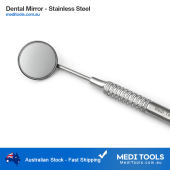
Dental health is more important than ever, with over 3.7 billion people worldwide affected by oral diseases, according to the WHO. This shocking number shows why dentists need to stay prepared with the best tools to deliver safe, effective treatment. Choosing the finest basic dental equipment for clinics is essential as it makes both routine and emergency procedures more secure and efficient. The right tools help you work faster, reduce mistakes, and make your patients feel more comfortable.
In this blog, we will go through the five dental instruments every clinic should have, explaining what they do, how they help, and why they are so important for any modern dental practice.
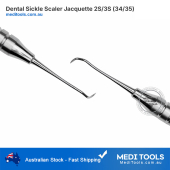
Scaling instruments are absolutely essential in any dental practice. These tools are made to remove plaque and tartar from tooth surfaces, especially in areas where brushing cannot reach.
Plaque buildup is one of the primary reasons patients develop
Equipping students in the healthcare field requires more than just textbooks and theory. Hands-on tools and quality kits shape their practical skills. With the right approach, student healthcare kits help build the confidence, speed, and precision needed in real-world clinical environments. As training demands evolve, educators and institutions need reliable resources that meet current industry standards. This blog explores how to equip students with the most effective tools using smart planning and sourcing.
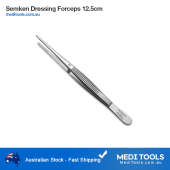
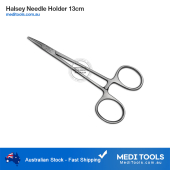
A well-equipped student healthcare kit forms the core of hands-on training. These kits allow students to familiarise themselves with instruments they will later use in professional practice. Including items such as diagnostic tools, scissors, tweezers, and forceps, each kit must reflect course requirements and real clinical tasks. When designed effectively, these kits reduce learning gaps and boost students' practical
What helps a medical clinic run efficiently while providing high-quality patient care?
The answer lies in a core set of basic medical instruments that healthcare professionals use daily. From routine check-ups to minor procedures, these medical tools for clinics are the backbone of effective diagnosis and treatment.
We have compiled this blog to discuss the top 10 tools used in clinics, with their functions, significance, and role in modern healthcare. No matter if you’re a clinician or simply curious, this guide offers a clear look at the instruments shaping clinical practice.
The stethoscope is a universal icon of medicine. Its earpieces, tubing, and chestpiece allow doctors to listen to heart, lung, and digestive sounds.
This tool is necessary for spotting issues like irregular heartbeats or breathing difficulties. Its non-invasive nature and reliability make it a staple in every clinic, used in nearly every patient visit to gather vital health insights.
When it comes to healthcare, every detail counts! From the experience of medical professionals to the reliability of the tools they use. One often overlooked, yet critical factor in patient care is medical instrument quality.
When performing routine check-ups or complex surgeries, healthcare professionals depend on precise, durable, and hygienic instruments. Poor-quality tools can increase risks, compromise procedures, and damage patient trust.
That's why selecting instruments that meet top surgical instrument standards is not just good practice; it's essential.
The connection between instrument quality and patient safety is direct and measurable. Instruments that are poorly manufactured or wear out quickly can cause errors during procedures, delay treatments, or lead to infections. Here's how: