Close
- Someone purchased a
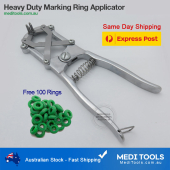
Sheep Calves Marking Ring Applicator - Heavy Duty
10 hours agofrom Doubtful Creek, AUSpecial Price $46.99 Regular Price $59.00 -
- Someone purchased a
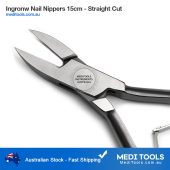
Nail Nippers 15cm - Straight Cut
1 day agofrom Howrah, AUSpecial Price $38.80 Regular Price $68.00 - Someone purchased a
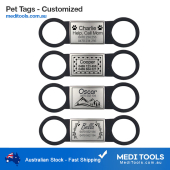
Custom Dog Tags, Slide on Pet ID tag, Personalized Tag, Silent Tag
10 hours agofrom Colac, AU$16.99 - Someone purchased a
Personalized Laser Engraved Silent Dog ID Tags Stainless Steel
1 day agofrom Glenmore Park, AU$16.99 -
- Someone purchased a
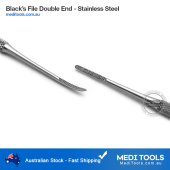
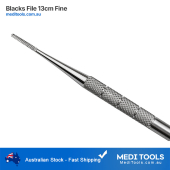
Black's File Double End - Stainless Steel
7 hours agofrom Brighton, AUSpecial Price $14.99 Regular Price $16.00 - Someone purchased a
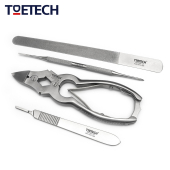
TOETECH® Professional Podiatry Kit for Thick Toenails - Home Visit Pack
1 day agofrom Nunile, AUSpecial Price $84.40 Regular Price $130.00 - Someone purchased a
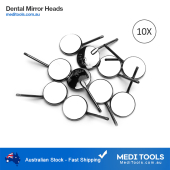
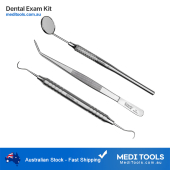
DENTIFY Dental Exam Kit - Dental Scaler H6/H7, Dental Mirror, College Tweezers
1 day agofrom Perth, AU$32.99 -