





Beginner's Guide to Setting Up a Podiatry Clinic
Starting a podiatry clinic is an exciting step for any practitioner ready to build an independent career in foot health. It brings together clinical skills, business planning, and patient care under one roof. With the right preparation, your clinic can grow into a trusted space where patients feel confident and comfortable.
This beginner-friendly guide to setting up a podiatry clinic walks through the essentials, helping you move forward with clarity and purpose.
A Guide to Podiatry Practice Setup
Before thinking about equipment or interiors, start with a solid plan. This includes defining your services, identifying your target patients, and understanding local demand.
In Australia, podiatry clinics often serve a mix of general patients, athletes, and people managing chronic conditions. Your clinic's direction will shape everything, including layout, tools, and staffing. Careful planning at this stage saves time, money, and stress later.
Choosing the right location plays a big role in attracting patients. Look for areas with good visibility, parking access, and proximity to medical centres or gyms. Suburban high streets and healthcare hubs tend to work well.
Inside the clinic, focus on comfort and efficiency. Patients should feel relaxed the moment they walk in. Keep treatment rooms spacious enough for movement while ensuring privacy. A clean, organised reception area creates a strong first impression.
Legal Requirements in Australia
When starting a podiatry clinic in Australia, compliance is essential. You must be registered with the Podiatry Board of Australia under AHPRA. Insurance is another key requirement, including professional indemnity and public liability cover.
You also need to follow infection control standards, workplace safety regulations, and patient record privacy laws. Staying compliant not only protects your clinic but also builds trust with your patients.
Think about the services you want to provide. Common options include general foot care, sports injury management, orthotic therapy, and diabetic foot care. Your service mix should reflect your skills and the needs of your local community. Over time, you can expand your offerings as your clinic grows.
A successful clinic starts with realistic financial planning. Create a detailed budget that includes rent, utilities, staff wages, equipment, and marketing. Initial costs can vary, but investing wisely in quality tools and a functional layout is important. Keep some funds aside for unexpected expenses during the early months.
Revenue planning is just as important. Estimate how many patients you need each week to cover costs and generate profit. This helps you set achievable goals.
As your clinic grows, you may need support staff. Receptionists, assistants, and additional podiatrists can help manage workload and improve patient experience. Hire people who share your values and commitment to patient care. A friendly and professional team creates a welcoming environment that encourages repeat visits.
Training is also important. Keep your team updated on best practices, safety procedures, and new treatments.
Marketing plays a key role in attracting your first patients. Start with a simple but effective strategy. Create a professional website that highlights your services, location, and contact details. Local SEO helps your clinic appear in search results when people look for podiatry services nearby.
Social media can also help build awareness. Share helpful tips, patient success stories, and updates about your clinic. This builds trust and keeps your audience engaged. Word of mouth remains powerful. Encourage satisfied patients to leave reviews and recommend your clinic to others.
Managing a clinic entails responsibilities beyond just patient care. You need efficient systems for bookings, payments, and record keeping. Set up clear workflows for daily tasks. This reduces errors and keeps everything running smoothly. Regularly review your processes and make improvements where needed. Time management is another key factor. Balance your schedule to avoid burnout while maintaining high-quality care for each patient.
Once your clinic is established, focus on growth. This could include expanding services, upgrading equipment, or moving to a larger space. Continuing education helps you stay updated with industry trends and improve your skills. This benefits both your practice and your patients. Building strong relationships with other healthcare providers can also lead to referrals and opportunities for collaboration.
Must-Have Tools in Every Podiatry Clinic Equipment List
A well-thought-out equipment list for your podiatry clinic ensures smooth daily operations. Your equipment should support both efficiency and patient comfort.
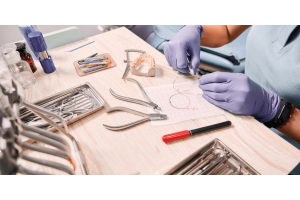
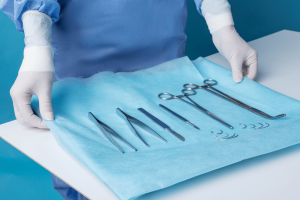
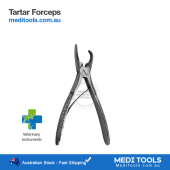
Start with the basics such as a podiatry chair, sterilisation units, examination lights, and diagnostic tools. These form the backbone of your treatment room. You will also need instruments for nail care, skin treatments, and minor procedures. Investing in durable, high-quality tools reduces maintenance and replacement costs over time.
Choose instruments that are easy to clean and designed for repeated use. This helps maintain hygiene standards and supports consistent performance. Let MediTools Pty Ltd supply the tools to make it happen. Our range of podiatry instruments covers everything a growing Australian practice needs.
Modern clinics benefit from digital systems. Practice management software helps with appointments, billing, and patient records. It also improves efficiency and reduces administrative workload. Consider adding diagnostic technology, such as gait analysis systems, if your budget allows. These tools enhance your ability to assess and treat patients accurately.
Hygiene is a top priority in any podiatry clinic. Autoclaves, ultrasonic cleaners, and proper waste disposal systems are essential. Set up clear cleaning protocols and ensure all staff follow them strictly. This protects both patients and practitioners while meeting Australian health standards.
Starting a podiatry clinic in Australia can feel challenging at first, but careful planning makes the process manageable. With this clear guide, you can move forward with confidence and avoid common pitfalls. Your clinic should reflect your professional values and commitment to patient care. Every decision, from location to equipment, contributes to the overall experience you provide.
If you are ready to bring your clinic vision to life, having the right tools makes all the difference. MediTools Pty Ltd is a trusted medical equipment shop that can help you source reliable products that meet professional standards. We support podiatrists across Australia with dependable equipment and supplies.
Disclaimer
The content provided here on the sterilization, cleaning, and reprocessing of surgical and medical instruments is strictly for informational and educational purposes only. This information is not a substitute for professional training, certification, or the manufacturer's official Instructions for Use (IFU). Sterilization is a critical, complex process that demands strict adherence to regulatory standards; improper technique can cause serious harm, including patient infection. All healthcare personnel must follow their facility's established protocols and the specific IFU for every instrument and piece of equipment. By using this blog, you agree that the author/owner holds no liability for any damages or consequences resulting from the application or misuse of this information.