





Best Materials Used in Modern Dental Tools
Dentistry has changed in quiet but powerful ways over the years. Patients may notice smoother treatments and faster appointments, yet much of that progress comes down to the tools themselves. Behind every clean finish and precise procedure lies a careful selection of materials that support safety, durability, and comfort.
Understanding what goes into modern dental instruments and materials gives a clearer view of how dental care continues to improve.
Understanding the Types of Dental Tools and Materials
Dentists carefully choose among different dental instruments, selecting those that suit each instrument's role. Each type of material supports specific clinical tasks, helping ensure precision and reliability. The choice of material depends on the function required in everyday dental procedures.
Stainless Steel in Everyday Practice
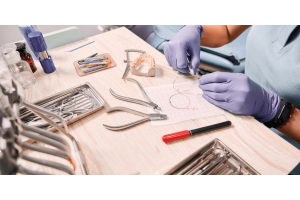
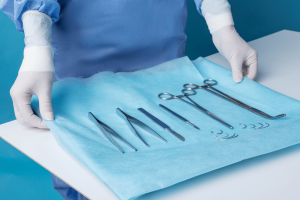
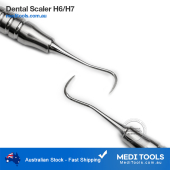
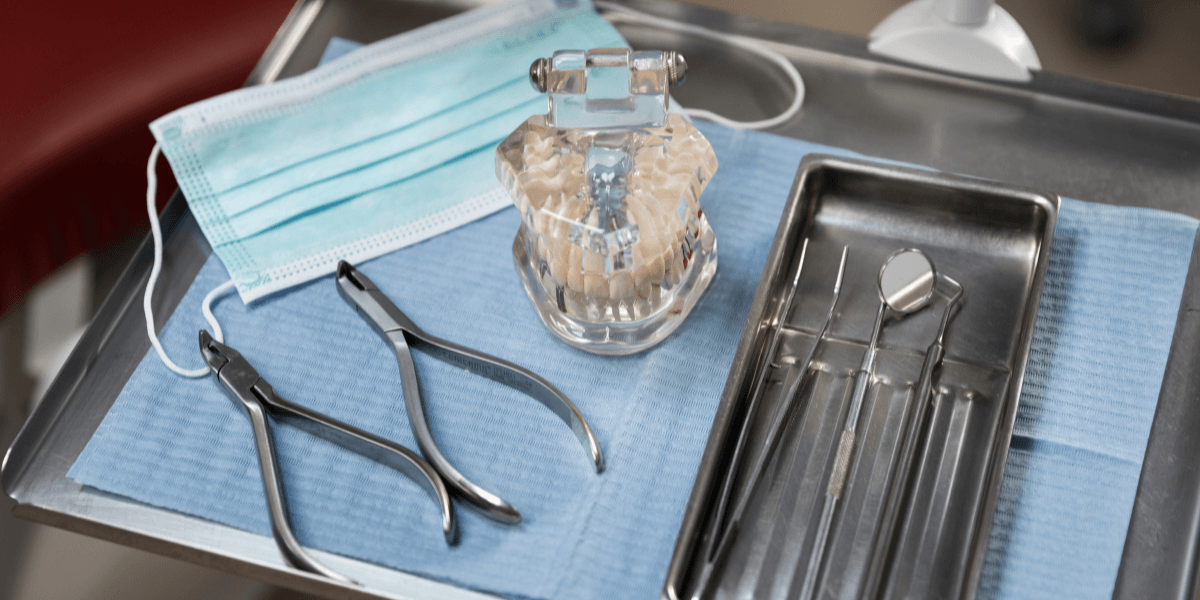
Stainless steel remains one of the most trusted options in dentistry. Its resistance to rust and staining makes it ideal for daily-use instruments. Dentists rely on it for tools such as mirrors, probes, and scalers. Its durability ensures that instruments maintain their shape even after repeated use and sterilisation cycles. This reliability helps ensure precise diagnosis and effective treatment.
Titanium for Strength and Lightness
Titanium has gained attention for its excellent strength while staying lightweight. It is commonly used in surgical tools and implants. One of its strongest advantages is biocompatibility, meaning it works well with the human body without causing reactions. Dentists benefit from tools that are easier to handle during longer procedures, while patients benefit from safer outcomes.
Ceramic Materials for Precision
Ceramics offer a distinct advantage in dentistry. They are often used in cutting tools and restorative applications. Their hardness allows for fine precision, especially during delicate procedures. In addition, ceramics do not conduct heat as metals do, which can improve comfort during certain treatments.
Polymers and Advanced Plastics
Modern dentistry also uses high-performance plastics. These materials are lightweight and often used in disposable tools or components that do not require heavy strength. Polymers and advanced plastics support high hygiene standards and help minimise the risk of cross-contamination. Some advanced polymers also resist chemicals used in cleaning and sterilisation.
Glass-based materials and composites are often found in restorative tools and devices. These materials are valued for their smooth finish and compatibility with dental surfaces. They support treatments such as fillings and bonding, where precision and aesthetic results are important.
As dental care continues to advance, understanding the types of dental tools and materials helps explain why treatments feel smoother and more reliable than ever.
A Guide to Choosing the Best Dental Instruments
Selecting the best options in high-quality dental instruments and materials involves more than just strength. It includes hygiene, comfort, and long-term performance. Each material plays a role in improving patient care while supporting dentists in their daily work.
Dental tools are exposed to moisture, cleaning agents, and sterilisation processes. Materials that resist corrosion maintain their integrity over time. Stainless steel and titanium lead in this area, ensuring that tools remain safe and effective after repeated use.
Biocompatibility and Patient Safety
Biocompatibility is essential in dentistry. Materials that interact with the body must not cause irritation or allergic reactions. Titanium and certain ceramics are known for their compatibility, making them ideal for implants and surgical tools. This reduces complications and supports healing.
Maintaining strict hygiene is essential in dental settings. Materials must withstand high temperatures and chemical cleaning processes. Metals such as stainless steel perform well under these conditions, maintaining their structure without damage. This ensures that instruments remain sterile and safe for every patient.
Dentists rely on tools that allow accurate movements. Materials that maintain sharp edges and stable shapes support this need. Ceramics and specialised alloys offer excellent precision, helping dentists carry out detailed procedures with confidence.
Stop settling for tools that let you down. Your clinic deserves the sharpest, most reliable gear on the market. MediTools Pty Ltd supplies premium dental instruments in Australia, ensuring your practice operates at its peak.
The Role of Innovation in Dental Materials
Advancements in material science continue to shape dentistry. New combinations of metals, ceramics, and polymers are being developed to improve performance and comfort. These innovations aim to reduce treatment time while increasing accuracy.
Some modern materials can respond to changes in temperature or pressure. These smart materials adapt during procedures, offering better control and efficiency. While still evolving, they show promise in improving treatment outcomes.
Lightweight Alloys for Better Handling
Dentists often work for extended periods, so tool weight matters. Lightweight alloys reduce strain and improve handling. This leads to better precision and less fatigue during procedures.
New coatings and materials are being designed to resist bacterial growth. These surfaces add an extra layer of protection, supporting hygiene standards and reducing infection risks.
Tips for Balancing the Cost and Quality of Dental Instruments
While premium materials offer many benefits, cost is always a consideration. Dental practices aim to balance affordability with performance. Investing in high-quality dental instruments and materials often leads to better long-term value due to durability and reduced replacement needs.
● Choose durable materials that can handle frequent use without wearing down. This helps reduce replacement costs and keeps performance consistent over time.
● Opt for materials that are easy to maintain. Stainless steel is a reliable choice as it resists corrosion and simplifies cleaning routines in busy clinics.
● Prioritise high-quality materials that support smoother procedures. Better tool performance can improve patient comfort and create a more positive treatment experience.
● Consider materials that hold their shape and sharpness. This ensures accuracy during procedures and reduces the risk of errors.
● Select materials that tolerate repeated sterilisation. Tools must remain stable and safe even after exposure to heat and cleaning chemicals.
● Look for lightweight options that reduce hand strain. Comfortable handling can improve control during longer procedures.
Modern dentistry relies heavily on the careful selection of materials. Each option, from stainless steel to advanced ceramics, plays a role in shaping effective and safe treatments. Understanding the materials of dental instruments helps highlight the thought and innovation behind everyday dental care. As technology continues to improve, materials will remain at the centre of progress, supporting both practitioners and patients. High standards in dental instruments ensure that tools remain reliable, precise, and safe in every setting.
For those seeking dependable options, a trusted medical equipment shop can make all the difference in accessing quality tools that meet modern dental needs. MediTools Pty Ltd provides dependable solutions for clinics that value precision and reliability. With a strong range of instruments, we support dental professionals in delivering consistent care.
Disclaimer
The content provided here on the sterilization, cleaning, and reprocessing of surgical and medical instruments is strictly for informational and educational purposes only. This information is not a substitute for professional training, certification, or the manufacturer's official Instructions for Use (IFU). Sterilization is a critical, complex process that demands strict adherence to regulatory standards; improper technique can cause serious harm, including patient infection. All healthcare personnel must follow their facility's established protocols and the specific IFU for every instrument and piece of equipment. By using this blog, you agree that the author/owner holds no liability for any damages or consequences resulting from the application or misuse of this information.