






A Complete Guide to Maintaining and Cleaning Medical Diagnostic Instruments
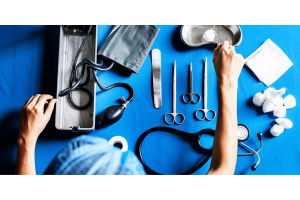
Medical diagnostic instruments play a critical role in healthcare settings across Australia. From hospitals and specialist clinics to pathology labs and general practices, these instruments help clinicians assess patient conditions accurately and efficiently. Reliable performance depends not only on the quality of the equipment but also on proper care, regular inspection and correct cleaning procedures.
Poor maintenance can affect diagnostic accuracy, shorten equipment lifespan and increase infection risks. In busy healthcare environments, even minor neglect may lead to operational delays or costly repairs.
This guide to medical instrument maintenance highlights the importance of proper cleaning, routine inspections and safe handling practices in modern healthcare settings.
Why Instrument Maintenance Matters
Diagnostic instruments are used repeatedly throughout the day. Blood pressure monitors, otoscopes, ECG machines, thermometers and ultrasound probes all require careful handling and routine care.
When equipment is not maintained properly, performance may decline over time. Dust buildup, residue, moisture exposure and worn components can interfere with readings and compromise patient safety.
Consistent medical equipment maintenance supports reliable operation, reduces downtime and helps healthcare providers avoid unnecessary replacement costs. It also assists facilities in meeting infection control and compliance standards.
Common Types of Diagnostic Instruments That Require Regular Care
Different instruments require different cleaning and maintenance approaches depending on their design and clinical use.
· Handheld Diagnostic Devices
Portable devices such as otoscopes, ophthalmoscopes and thermometers are handled frequently during patient consultations. These tools often come into direct contact with skin or body surfaces, making regular disinfection essential. Battery compartments, lenses and handles should be inspected regularly to ensure proper function and hygiene.
· Monitoring Equipment
Patient monitoring devices, including pulse oximeters, ECG systems and blood pressure monitors, require both surface cleaning and periodic technical inspection. Cables, sensors and cuffs should be checked for signs of wear or cracking. Damaged parts may affect performance and increase contamination risks.
· Imaging and Scanning Equipment
Ultrasound probes and imaging accessories require specialised cleaning procedures. Manufacturers often provide approved cleaning solutions and disinfection instructions to prevent damage to sensitive materials. Improper cleaning methods can reduce image quality and shorten equipment lifespan.
Daily Cleaning Practices for Healthcare Facilities
Routine medical instrument cleaning should be part of every clinical workflow. Clear schedules and staff responsibilities help maintain consistency.
· Surface Cleaning After Each Use
Many diagnostic instruments require cleaning immediately after patient contact. Alcohol based wipes and approved disinfectants are commonly used for external surfaces. Staff should always follow manufacturer instructions to avoid damaging screens, sensors or delicate coatings.
· Preventing Cross Contamination
Single-use covers, disposable barriers, and protective sleeves help reduce contamination risks during examinations. These protective items are especially important for shared devices used across multiple patients. Facilities often combine these practices with strict hand hygiene protocols to strengthen infection prevention efforts.
Choosing the Right Cleaning Products
Not all cleaning agents are suitable for medical devices. Harsh chemicals may damage plastic surfaces, rubber seals or sensitive electronics.
Healthcare facilities should use approved products designed specifically for cleaning medical diagnostic instruments. These products are formulated to remove contaminants while protecting instrument materials. Manufacturer guidance should always be reviewed before introducing new cleaning solutions into clinical settings.
Storage and Handling Best Practices
Proper storage plays a major role in maintaining diagnostic equipment quality.
· Dry and Organised Storage Areas
Clean instruments should be stored in dry, dust-free environments. Excess moisture may encourage corrosion or bacterial growth, particularly in reusable accessories and connectors. Protective cases and organised storage systems also reduce accidental damage during transport or handling.
· Avoiding Physical Damage
Diagnostic equipment can be sensitive to impact. Dropping handheld devices or bending cables may affect internal components and calibration accuracy. Staff training on correct handling procedures helps minimise unnecessary wear and tear.
Calibration and Performance Checks
Cleaning alone is not enough to maintain reliable equipment performance. Many diagnostic devices require periodic calibration and testing.
· Routine Accuracy Testing
Blood pressure monitors, thermometers and ECG systems should be checked regularly to ensure readings remain accurate. Incorrect measurements may affect clinical decisions and patient treatment plans. Routine inspections assist in detecting problems before they escalate into significant operational challenges.
· Working With Qualified Technicians
Some maintenance tasks require trained technicians with specialised knowledge. Internal servicing, software updates and calibration adjustments should only be completed by authorised professionals. Facilities that need to source medical instruments in Australia on a regular basis often work with MediTools Pty Ltd for reliable product supply.
Staff Training and Accountability
Equipment maintenance is most effective when staff understand correct procedures and responsibilities.
· Creating Clear Cleaning Protocols
Healthcare facilities should provide written cleaning guidelines for all diagnostic instruments. These protocols should outline approved cleaning products, frequency schedules and handling instructions. Clear documentation supports consistency across departments and reduces uncertainty among staff.
· Encouraging Accountability
Assigning maintenance responsibilities helps ensure equipment is not overlooked during busy shifts. Routine checklists and maintenance logs can improve compliance and support quality assurance programs.
Infection Control and Compliance Standards
Australian healthcare facilities must follow strict infection prevention and equipment safety standards. Proper maintenance contributes directly to compliance with these requirements.
Reusable instruments that come into contact with patients should be disinfected according to manufacturer recommendations and facility protocols. Failure to maintain diagnostic equipment correctly may increase infection risks and create operational issues during audits or inspections.
Technology and Smarter Maintenance Systems
Many healthcare providers now use digital systems to manage equipment servicing and maintenance schedules.
· Automated Maintenance Tracking
Software systems can track cleaning records, servicing dates and calibration schedules. Automated reminders help reduce missed inspections and improve accountability. These systems are especially useful in large facilities managing high volumes of equipment across multiple departments.
· Predictive Maintenance
Some modern diagnostic systems include built-in monitoring features that detect performance issues early. Alerts may identify battery problems, calibration drift or software faults before complete failure occurs. This proactive approach reduces downtime and supports more reliable patient care.
Building a Long-Term Maintenance Strategy
Healthcare providers benefit from structured maintenance plans rather than reactive repairs. A practical guide to medical instrument maintenance should include daily cleaning procedures, inspection schedules, calibration requirements and servicing timelines. Facilities should also maintain records for compliance and quality assurance purposes. Long-term planning supports equipment reliability, patient safety and smoother clinic operations.
Conclusion
Medical diagnostic instruments are essential to accurate assessment and effective patient care. Their performance depends heavily on proper cleaning, handling and routine maintenance practices.
Consistent cleaning procedures, regular inspections and appropriate storage conditions help reduce infection risks and extend equipment lifespan. Healthcare facilities that prioritise maintenance are better positioned to maintain compliance, reduce downtime and support reliable clinical outcomes. For healthcare providers seeking dependable products and expert support, MediTools Pty Ltd offers a trusted range of medical and surgical instruments and diagnostic equipment solutions.
Disclaimer
The content provided here on the sterilization, cleaning, and reprocessing of surgical and medical instruments is strictly for informational and educational purposes only. This information is not a substitute for professional training, certification, or the manufacturer's official Instructions for Use (IFU). Sterilization is a critical, complex process that demands strict adherence to regulatory standards; improper technique can cause serious harm, including patient infection. All healthcare personnel must follow their facility's established protocols and the specific IFU for every instrument and piece of equipment. By using this blog, you agree that the author/owner holds no liability for any damages or consequences resulting from the application or misuse of this information.