







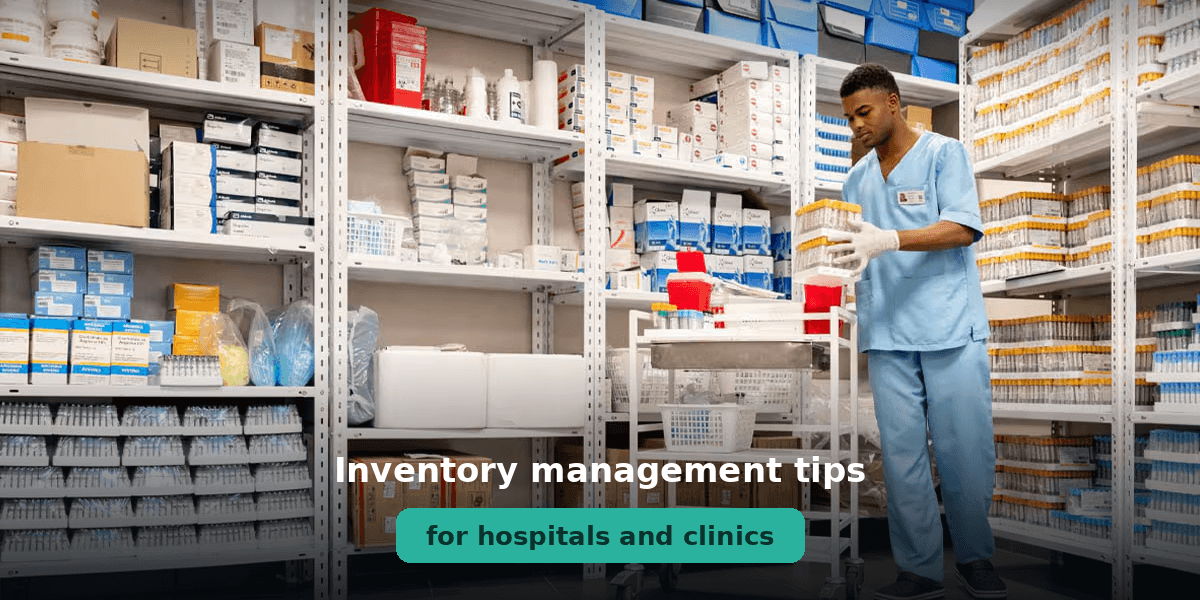
Inventory Management Tips for Hospitals and Clinics
Strong inventory management is essential for keeping hospitals and clinics operating efficiently. Every hospital and clinic relies on a steady supply of medical products to provide timely treatment and maintain high standards of patient care. Running out of essential items can delay procedures, while ordering too much stock often leads to unnecessary waste and higher operating costs. Good inventory management is about much more than purchasing supplies. It also involves monitoring stock levels, tracking usage, organising storage, and planning replenishment at the right time.
This guide shares practical tips for medical inventory management that can help hospitals and clinics strengthen their inventory management practices and improve day-to-day operations.
Benefits of A Well-Managed Inventory
· Improved Patient Care: Healthcare professionals can focus on treating patients instead of searching for missing supplies when inventory is organised properly.
· Reduced Stock Shortages: Maintaining accurate stock levels lowers the chance of essential products becoming unavailable during busy periods.
· Lower Operating Costs: Careful purchasing decisions help reduce unnecessary spending and minimise excess stock sitting on shelves.
· Better Compliance: Accurate inventory records make audits, inspections, and product traceability much easier to manage.
· Less Product Waste: Monitoring expiry dates and stock movement reduces waste while helping facilities make better use of available resources.
Categorise Inventory Based On Usage and Priority
Organising inventory based on how frequently items are used and their clinical priority helps healthcare facilities manage resources more efficiently. Understanding how to effectively manage hospital inventory begins with knowing which products move quickly, which items require close monitoring, and which specialised supplies are only used occasionally.
Fast-Moving Medical Supplies
Daily consumables make up a significant portion of hospital inventory. Gloves, syringes, wound dressings, disinfectants, masks, and disposable protective equipment require frequent replenishment because they are used throughout the day.
Critical Surgical and Emergency Equipment
Emergency departments and operating theatres rely on immediate access to essential equipment. Surgical instruments, emergency airway devices, sterile procedure packs, and life-saving consumables should always remain available in sufficient quantities. Regular stock reviews help maintain readiness without creating excessive inventory.
Low-Usage or Specialised Items
Some medical equipment is only required during specialised procedures or particular treatments. These products often carry higher costs and require different inventory planning. Monitoring usage trends allows facilities to maintain appropriate stock levels while avoiding unnecessary expenditure on products that move slowly.
Maintain Accurate Inventory Records
Accurate records provide the foundation for successful inventory management. Without reliable information, purchasing decisions become difficult, stock discrepancies increase, and unnecessary costs quickly follow.
Use Digital Inventory Management Systems
Many healthcare facilities now rely on digital inventory platforms to simplify stock management. Barcode scanning and RFID technology allow products to be tracked as they enter storage, move between departments, or are used during patient care. Digital reporting also makes it easier to identify usage patterns, forecast future demand, and support stronger inventory control strategies for hospitals and clinics.
Conduct Regular Stock Audits
Technology provides valuable support, but physical stock checks remain equally important. Scheduled audits confirm that recorded inventory matches actual stock on hand and help identify damaged, misplaced, or expired products. Smaller monthly reviews combined with comprehensive annual audits often provide a balanced approach for healthcare facilities.
Prevent Overstocking and Stock Shortages
Maintaining balanced inventory levels is one of the biggest challenges facing hospitals and clinics. Holding excessive stock ties up valuable budget and increases the risk of products expiring before use.
Set Minimum and Maximum Stock Levels
Establishing minimum and maximum stock thresholds helps maintain consistency throughout the year. Minimum stock levels act as a safety buffer, triggering replenishment before supplies become critically low. Maximum levels prevent storage areas from filling with products that may remain unused for extended periods.
Monitor Product Expiry Dates
Expired products create unnecessary waste and may compromise patient safety if they remain in circulation. Regularly checking expiry dates allows older stock to be used first while newer deliveries are placed behind existing inventory.
Review Purchasing Trends
Historical purchasing data provides valuable insights into inventory usage. Reviewing previous orders, seasonal demand, and patient volumes helps purchasing teams make better decisions throughout the year. Instead of reacting to shortages, healthcare facilities can anticipate demand and adjust stock levels accordingly. This proactive approach provides practical guidance on how to avoid overstocking and understocking while helping facilities use available budgets more efficiently.
Choose MediTools Pty Ltd for premium medical instruments in Australia that support efficient inventory planning and help keep your healthcare facility equipped with dependable products.
Improve Storage and Organisation
Well-organised storage areas support faster stock retrieval and protect the quality of medical products. Even the most accurate inventory records lose value if staff cannot locate supplies quickly or products become damaged through poor storage practices.
Organise Supplies by Category
Grouping products into logical categories makes daily operations much more efficient. Consumables, pharmaceuticals, surgical supplies, wound care products, diagnostic equipment, and emergency items should each have dedicated storage areas. Within each category, products should be arranged according to usage frequency so commonly used items remain easily accessible.
Store Products According to Manufacturer Guidelines
Many medical products require specific storage conditions to maintain their quality. Temperature-sensitive products should remain within recommended temperature ranges, while sterile supplies need protection against moisture, dust, and direct sunlight. Following manufacturer storage instructions helps maintain product integrity and reduces unnecessary waste caused by damaged stock.
Label Shelves Clearly
Clear shelf labels make inventory management faster and more accurate. Every storage location should display product names, identification codes, and designated stock levels where appropriate.
Strengthen Communication Across Departments
Inventory management is rarely the responsibility of a single department. Clinical teams, procurement staff, pharmacy personnel, and administrative employees all contribute to maintaining accurate stock levels. Strong communication between these groups reduces errors and supports better decision-making.
Share Inventory Updates Regularly
Regular meetings or digital inventory reports help departments stay informed about stock availability, upcoming deliveries, and products approaching low stock levels. Sharing updates also allows departments to identify changing usage patterns before shortages develop.
Assign Clear Inventory Responsibilities
Every healthcare facility benefits from clearly defined responsibilities. Staff should understand who performs stock counts, who approves purchases, who monitors expiry dates, and who updates inventory records. Assigning ownership improves accountability and reduces confusion during daily operations.
Encourage Staff to Report Low Stock Promptly
Frontline healthcare professionals often identify inventory issues before anyone else. Encouraging staff to report low stock, damaged products, or missing supplies immediately helps purchasing teams respond before shortages affect patient care.
Avoid Common Hospital Inventory Management Mistakes
Many inventory problems develop because small issues go unnoticed over time. Duplicate product names, inconsistent stock counting, delayed data entry, and poor communication can all affect inventory accuracy. Healthcare facilities should review inventory procedures regularly and identify opportunities for improvement.
Final Thoughts
Effective inventory management supports every aspect of healthcare delivery. Maintaining accurate stock levels helps hospitals and clinics reduce waste, control costs, improve operational efficiency, and provide uninterrupted patient care. Success depends on organised storage, accurate inventory records, regular audits, reliable suppliers, and strong communication across departments. Combined with ongoing staff training and careful planning, these practices create a more efficient inventory system that supports both healthcare professionals and patients.
Ready to strengthen your inventory management with dependable medical surgical instruments? Contact MediTools Pty Ltd for quality products and professional support that help your healthcare facility maintain reliable stock levels and deliver outstanding patient care.
Disclaimer
The content provided here on the sterilization, cleaning, and reprocessing of surgical and medical instruments is strictly for informational and educational purposes only. This information is not a substitute for professional training, certification, or the manufacturer's official Instructions for Use (IFU). Sterilization is a critical, complex process that demands strict adherence to regulatory standards; improper technique can cause serious harm, including patient infection. All healthcare personnel must follow their facility's established protocols and the specific IFU for every instrument and piece of equipment. By using this blog, you agree that the author/owner holds no liability for any damages or consequences resulting from the application or misuse of this information.